Jennifer
Welcome to WeLovePetz, your number one source for all things pets.
The Gut Feeling: A 6-Month Food Experiment
How Hill’s Sensitive Stomach Food Changed My Dog’s Life (And My Cleaning Routine)
It started with the sounds. The 3 AM gurgles from Luna’s belly that sounded like a plumbing disaster. The frantic scratching at her elbows and ears that would wake us both up. The “accidents” on the rug that weren’t accidents of training, but of a digestive system in revolt. We’d been through three different “sensitive” dry foods, a probiotic powder that cost more than my own vitamins, and a topical spray that made her smell like a chemical factory. Nothing worked. My vet, a patient man, finally said, “Let’s try a therapeutic wet food. Hill’s makes one for this exact issue.”
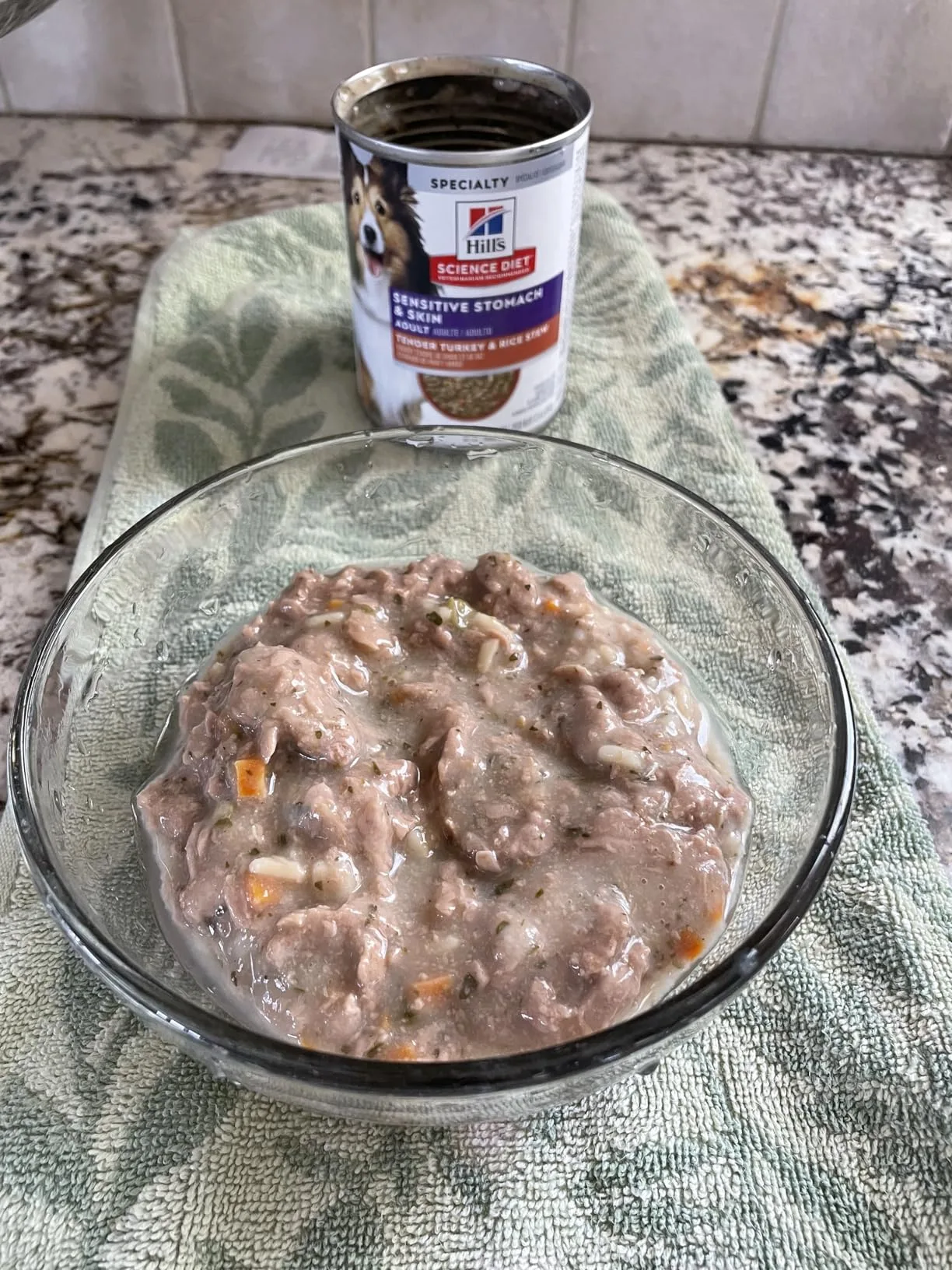
I looked at the blue can with skepticism. Hill’s Science Diet Sensitive Stomach & Skin, Turkey & Rice Stew. It looked… plain. Expensive. Like something you’d find in a hospital. But the desperation in Luna’s eyes—and the state of my credit card from all the failed solutions—made me buy a case. This is the journal of what happened over the next six months.
If you’re in the same desperate spot I was…
Check Current Price on Amazon(I bought mine at the vet, but this is where I check for the best deal now.)
The Timeline of Change: What Happened & When
Changing a dog’s food, especially for gut issues, is a slow, cautious dance. Here’s how it unfolded for us.
Week 1-2: The Cautious Mix
I mixed a spoonful of the stew with her old kibble. She sniffed it suspiciously, then devoured it, leaving the kibble behind. First win: palatability. No digestive disasters during the transition. Her stool was… stable. Not perfect, but no middle-of-the-night emergencies. A fragile hope sparked.
Month 1: The Quiet Belly
The nighttime gurgles stopped. This was the first physical sign something was different. Her energy levels, which had been spikey (sluggish after stomach aches, hyper after feeling better), evened out. She had a steady, calm demeanor. The vet’s term “highly digestible ingredients” went from a label claim to a tangible reality in my quiet bedroom at 3 AM.
Month 2-3: The Coat Transformation
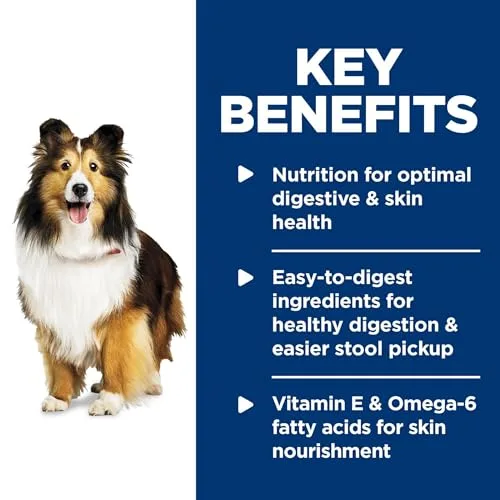
I didn’t notice it happening until my mom visited. “Luna’s coat is so shiny!” she said. I looked closer. The dry, brittle patches near her tail were gone. The dandruff snow that would fall when she scratched was reduced by about 80%. The Omega-6s and Vitamin E were doing their work from the inside out. She was still scratching, but less frequently, and with less desperation.
Month 4-6: The New Normal
This is where we live now. Solid, consistent stools every single day—a mundane miracle I never thought I’d celebrate. Her coat is soft and has a healthy sheen. The frantic scratching is rare, usually only when she’s rolled in something outside. The “sensitive stomach” dog who couldn’t handle a new treat without consequences now has a resilient gut. It’s not that she can eat anything now (I’m not testing that), but her baseline is one of comfort.
The “Aha!” Moment That Made Me a Believer
Two months in, I ran out of cans and had to give Luna her old kibble for two meals while I waited for a delivery. It was a regression in real-time. The gurgles returned. She had an accident. She scratched her ear raw. Switching back to the Hill’s stew resolved it within 48 hours. That wasn’t coincidence; it was causation. This food wasn’t just masking symptoms; it was actively managing her condition.
The Honest Balance Sheet: Was It Worth It?
After half a year, here’s my completely personal, unvarnished assessment.
What Made It Worth Every Penny
- Peaceful Nights & Clean Floors: The end of digestive emergencies is priceless. The stress it removed from our household is immeasurable.
- Visible Health Improvement: The shiny coat and healthy skin are not vanity; they’re signs she’s no longer in a state of nutritional deficiency and inflammation.
- Vet’s Stamp of Approval: When I tell my vet what she’s eating, he nods and says “Good.” That validation matters when you’ve been through the wringer.
- She Loves It: The stew texture is a winner. She licks the bowl clean every time, which was never the case with dry food.
- Simple Ingredient List: Turkey, rice, veggies. No weird gums, unnamed “meat by-products,” or artificial colors. It looks like real food.
The Real-World Drawbacks
- The Cost is Significant: Feeding a 60lb dog this food exclusively is a major line item in the budget. I’ve had to cut back elsewhere.
- It’s a Wet Food Life: Storage, handling smelly cans, and refrigeration of leftovers is less convenient than scooping kibble.
- Dental Hygiene Concern: Wet food doesn’t clean teeth. We’ve had to become rigorous about dental chews and brushing, which is an extra chore.
- Not a Magic Bullet for Allergies: It cleared up her skin dryness and itching from nutritional issues, but if your dog has environmental allergies, this won’t fix that.
- The “Prebiotic Fiber” Effect: For the first week, the increase in fiber caused… more volume. It settled, but it was an adjustment.
The Questions I Had (That You Probably Do Too)
My vet said for a dog with chronic idiopathic (fancy word for “we don’t know why”) sensitive stomach, this can be a lifelong maintenance diet. It’s designed for long-term feeding. We plan to stay on it indefinitely.
Absolutely. Many people use it as a “digestive aid” topper for dry food. I started that way. Now she’s on 100% wet because it works so well, but mixing is a great way to ease the budget or transition.
Luna is the pickiest eater I’ve ever met. She turns her nose up at steak. She licks this bowl so clean I barely have to wash it. The stew texture and savory smell seem to be universally appealing. It’s worth a single can to test.
I spent hours researching this. Hill’s has had voluntary recalls, like most big brands. Their recalls have typically been for potential vitamin imbalances, not contamination like some other brands. Their transparency and the fact they control their manufacturing gave me more confidence, not less. No pet food is 100% risk-free, but I feel this is in the safer tier.
The Final Scoop: My Gut Feeling Now
Six months ago, I was a skeptical, exhausted dog owner staring at a blue can with low expectations. Today, I’m a convert.
Hill’s Science Diet Sensitive Stomach & Skin didn’t just change Luna’s food; it changed her quality of life. It gave her a comfortable belly, a shiny coat, and consistent days free from discomfort. It gave me back peaceful nights, clean floors, and the profound relief of seeing my dog truly thrive.
Is it expensive? Yes. Is it inconvenient compared to kibble? A bit. But watching Luna now—curled up asleep without a gurgle or a scratch—I’d pay double. For the first time in years, I’m not anxiously waiting for the next digestive crisis. That peace of mind, for both of us, is the ultimate value.
If your dog is suffering from a mysterious upset stomach or itchy skin, this plain-looking stew might just be the quiet miracle you’re looking for.
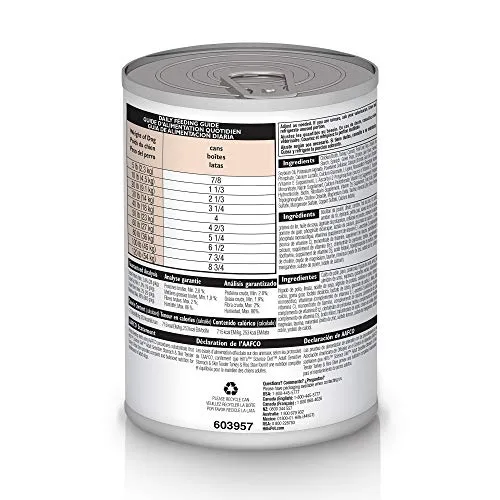
(I recommend starting with a single can from a pet store to test, then buying in bulk if it works.)
Disclaimer: I am a passionate pet owner, not a veterinarian or animal nutritionist. Luna’s experience is unique to her. This article is based solely on my personal observations over six months. Always consult your veterinarian before changing your pet’s diet, especially for pets with ongoing health issues. They can provide a diagnosis and recommend the best therapeutic diet for your dog’s specific needs. The information in this article is for informational purposes only and does not constitute medical advice.
Authors