Jennifer
The Gravy Dilemma: Is Fancy Feast Grilled Actually Healthy?
The Truth About the “Kitty Gourmet” Food That Cats Love But Nutritionists Question
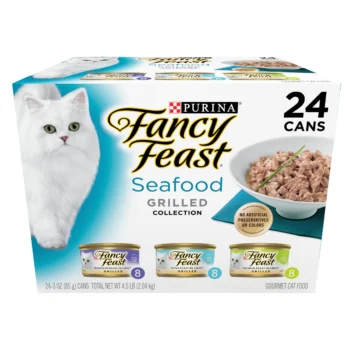
I have a confession to make: my cat, Oliver, is a food snob of the highest order. Not the kind that demands organic, free-range, sustainably sourced delicacies. No, his snobbery is far more specific. He’s what I call a “Gravy Connoisseur.” For months, I’d watch in exasperation as he’d delicately lap up every drop of sauce from his expensive, high-protein pâté, leaving the actual meat behind to congeal into a sad, dry puck. I was wasting money and compromising his nutrition. Then, in desperation, I opened a can of Fancy Feast Grilled Seafood Feast. The transformation was immediate. He devoured it with an enthusiasm I hadn’t seen since he was a kitten. The chunks were gone, the gravy was licked clean. My relief was short-lived, replaced by a nagging question: “Did I just solve a problem by introducing a worse one?”
This experience sent me down a rabbit hole. The Fancy Feast “Grilled” line, with its glistening gravy and appealing chunks, sits in a controversial middle ground in feline nutrition. It’s not the ultra-processed, carb-heavy “junk food” of the cat world (we see you, some dry kibbles), but it’s also a far cry from the pristine, low-carb pâtés that veterinarians often recommend. It occupies the “gourmet” aisle in our minds, but does its nutritional profile match the marketing? This review is my deep dive—a three-month investigation involving ingredient analysis, consultation with our vet, and a panel of three feline taste-testers with wildly different preferences. Let’s separate the appetizing gravy from the nutritional truth.
Ready to Test the Gravy Theory?
The 24-can variety pack lets you trial all three seafood flavors with your picky eater.
View the Seafood Collection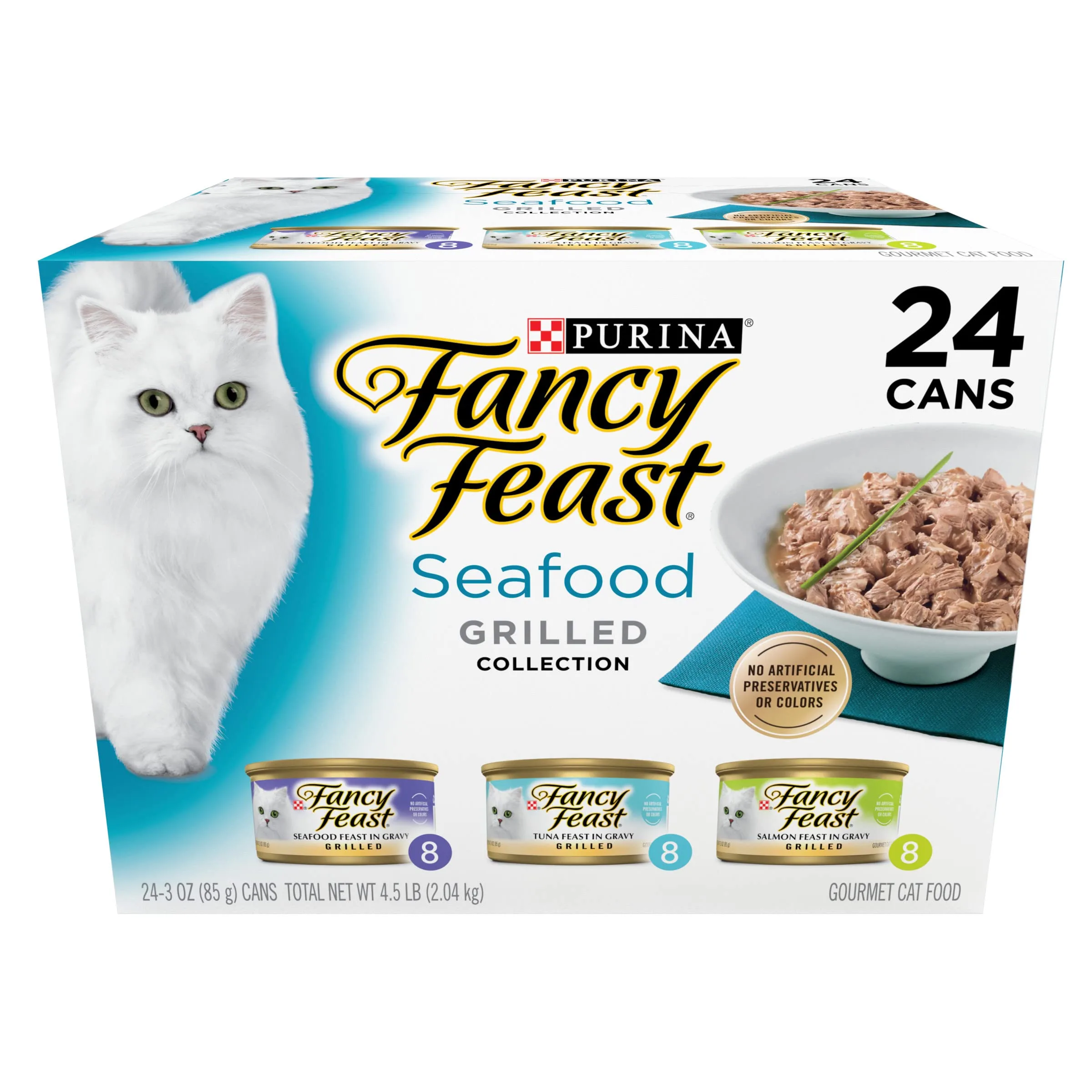
Decoding the Bowl: Ingredient Deep Dive & Texture Analysis
The Core Contradiction: Hydration Heroes vs. Carb Culprits
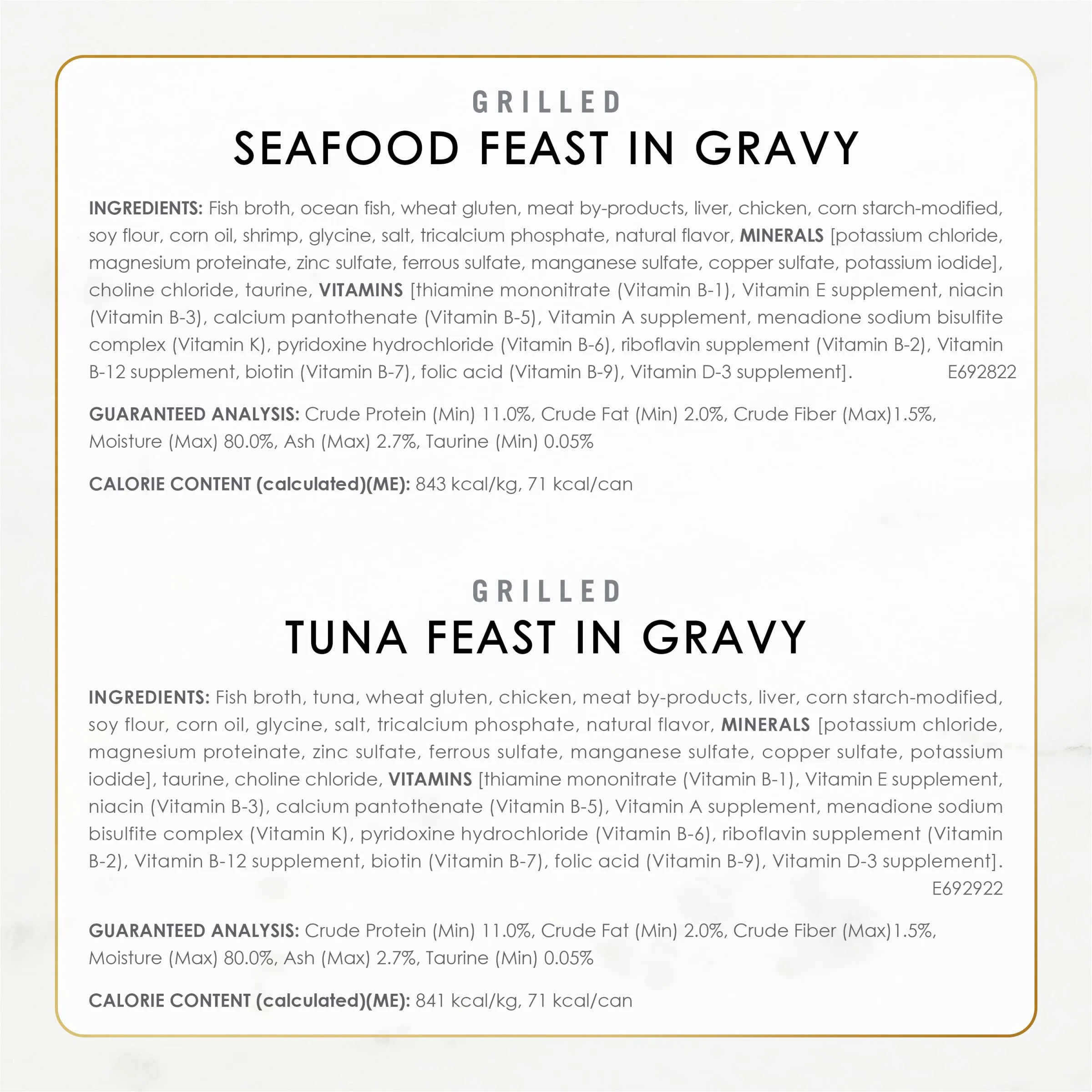
At first glance, the ingredient list for the Grilled Tuna Feast reads like many mid-tier wet foods: Water, Tuna, Liver, Meat By-Products, Wheat Gluten, Corn Starch-Modified, Artificial and Natural Flavors… Let’s break down what this really means for your cat.
The Hero: Hydration. The first ingredient is water, and the food is about 82% moisture. For cats—notorious for having a low thirst drive—this is a massive win. Getting water into their food is the single best strategy for preventing urinary crystals and supporting kidney health. The gravy format is exceptionally effective here.
The Villain (for some): The Thickeners. Wheat Gluten and Corn Starch are used to create that luxurious, clinging gravy texture. These ingredients add carbohydrates. While a healthy, active cat can handle moderate carbs, they are biologically unnecessary for obligate carnivores. For diabetic cats or those needing strict weight management, these carbs are a legitimate concern that makes the Classic Pâté line (which is grain-free) a superior choice.
The Reality Check on “By-Products”: This term causes anxiety, but in the context of wet food, it often includes nutrient-dense organs (liver, heart, etc.). While “Tuna” would be preferable as a second ingredient, the inclusion of by-products isn’t inherently bad—it’s a source of essential vitamins and minerals. The critique is more about sourcing transparency than nutritional value.
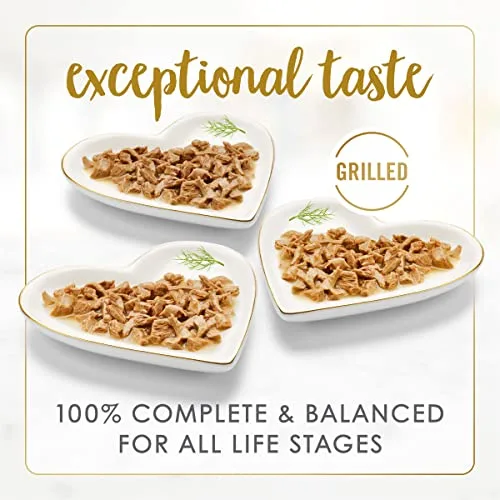
The “Grilled” Texture
Features distinct, firm chunks that mimic shredded meat. This appeals to cats who enjoy chewing and dislike uniform pâté. However, it can be challenging for seniors or cats with dental issues who may only lick the gravy.
Hydration Powerhouse
With 82% moisture content, it’s essentially a meal and a drink in one. Crucial for preventing FLUTD (Feline Lower Urinary Tract Disease), especially in male cats.
Aroma & Palatability
The strong, fishy aroma is irresistible to most cats. This makes it an excellent “appetite stimulant” for sick, elderly, or finicky cats who have stopped eating.
The Three-Month Feline Taste Test: Real-World Results
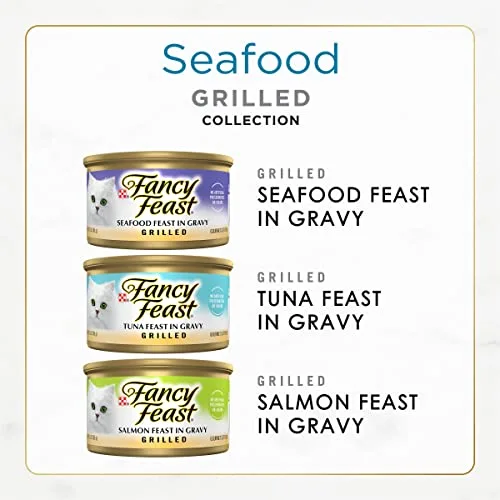
Over 90 days, I rotated the Seafood Collection (Tuna, Salmon, Seafood Feast) through my three-cat household: Oliver the Gravy Connoisseur (10yo), Luna the Dainty Eater (8yo), and Milo the Garbage Disposal (3yo). Here’s what we learned beyond the label.
📊 The Picky Eater Report Card
Acceptance Rate: 100%
Oliver’s Verdict: The hunger strike was officially over. All three flavors were consumed with vigor. The Tuna Feast was the clear favorite, but he never rejected a single can. Key Insight: This food’s palatability is its superpower. When a cat needs to eat, this will often work where “healthier” options fail.
The “Sauce Licker” Phenomenon
Luna’s Pattern: True to her delicate nature, she would meticulously lick 90% of the gravy, leaving about half the meat chunks behind. This created waste. Our Solution: We started mashing the chunks into the gravy with a fork before serving, creating a chunky paste. This increased her whole-meal consumption by about 80%.
The Hydration Dividend
Observable Change: All three cats drank noticeably less from their water fountain. The food was providing substantial hydration. Their litter box clumps were larger and less concentrated—a positive sign of improved urinary tract health.
⚠️ Important Health Considerations
Not for Diabetic Cats: The wheat gluten and corn starch raise the carbohydrate content. Diabetic cats require a strict low-carb diet to manage blood sugar. Stick with the Fancy Feast Classic Pâté line for diabetic needs.
Potential for Food Allergies: Some cats develop allergies to fish or wheat. If your cat shows signs of itching, ear infections, or digestive upset, discontinue use and consult your vet.
Dental Health Check: The chunks require chewing. If your cat has severe dental disease, they may avoid the meat entirely. A smooth pâté or a mashing strategy is better.
Flavor Breakdown & Variety Management
Grilled Tuna Feast
The crowd-pleaser. Strongest aroma, highest acceptance rate. A reliable “back to basics” flavor when others are rejected.
Grilled Salmon Feast
Slightly richer, oilier gravy. Some cats prefer this; others find it too strong. Good for rotation to prevent flavor fatigue.
Grilled Seafood Feast
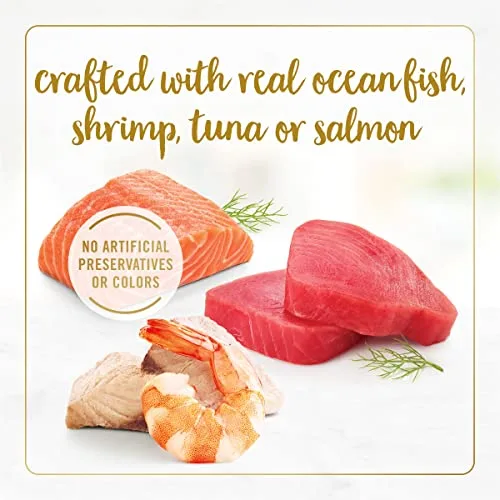
A blend, often including whitefish. Provides variety, though the exact protein mix is vague (“seafood”).
Visual Journey: From Can to (Sometimes) Clean Bowl
The Strategic Balance: Pros, Cons & Smart Comparisons
| ✅ The Compelling Advantages | ❌ The Practical Drawbacks |
|---|---|
| Unbeatable Palatability: The single most effective tool in our arsenal for getting a picky or sick cat to consume calories and vital moisture. | Higher Carbohydrate Content: Due to wheat gluten and corn starch thickeners, it’s not suitable for cats requiring strict low-carb diets (diabetes, obesity). |
| Exceptional Hydration Delivery: The high moisture content (82%) directly supports urinary and kidney health, which is paramount for feline wellness. | Potential for Waste: “Gravy lickers” may leave nutritious meat chunks behind, requiring owner intervention (mashing) to ensure full nutrition. |
| Appealing Texture Variety: The chunk-in-gravy format satisfies cats who dislike pâté and provides mental stimulation through chewing. | Strong, Lingering Odor: The fish aroma is potent and can be unpleasant in small kitchens. Empty cans must be disposed of promptly. |
| Affordable Wet Food Gateway: Makes feeding a species-appropriate wet food diet financially viable for many households, which is far healthier than dry kibble alone. | Not a Complete “Health Food”: While good, it’s a compromise. The inclusion of thickeners and vague “seafood” blends means it’s not the pinnacle of feline nutrition. |
Where It Fits: The Fancy Feast Family & Beyond
| Feature | Fancy Feast Grilled | Fancy Feast Classic Pâté | Premium Boutique Brand (e.g., Tiki Cat) | Budget Gravy Food (e.g., Friskies) |
|---|---|---|---|---|
| Primary Goal | Maximize Palatability & Hydration | Optimal Macros (Low-Carb) | Ingredient Purity & Quality | Minimum Cost |
| Texture | Chunks in Gravy | Smooth Pâté | Shreds / Broths | Chunks in Gel |
| Carbohydrates | Moderate (Thickeners) | Very Low | Very Low | High (Fillers) |
| Best Use Case | Picky eaters, hydration focus, appetite stimulation | Weight management, diabetes, general health | Owners prioritizing named ingredients & no fillers | Extreme budget constraints, colony feeding |
| Price Point (per can) | $0.80 – $1.00 | $0.80 – $1.00 | $2.50 – $4.00 | $0.50 – $0.70 |
The Feeding Reality: A Visual Summary
Final Verdict: A Strategic Tool, Not a Dietary Cornerstone
After three months of feeding, observing, and researching, I’ve made peace with Fancy Feast Grilled. It is not the “perfect” food, but it is an incredibly useful and sometimes essential tool in the complex puzzle of feline nutrition and behavior. Thinking of it as “kitty junk food” is reductive and unhelpful. A more accurate analogy is that of a pediatric electrolyte drink for a sick child. Is it what you’d feed them every day when they’re healthy? No. But when they’re dehydrated and refusing all sustenance, it’s a lifesaver that gets fluid and calories into them.
This product succeeds by prioritizing what matters most in specific scenarios: getting a cat to eat and hydrate. For many households, that immediate need outweighs the longer-term ideal of a perfect ingredient list.
👍 YES, This is Your Solution If…
- Your cat is a “gravy licker” who rejects pâtés.
- You need to stimulate the appetite of a sick, senior, or post-operative cat.
- Urinary hydration is a top concern (especially for male cats).
- You want to feed wet food but need a budget-friendly, palatable option to mix into the rotation.
- Your cat is healthy, active, and not diabetic but simply very picky.
👎 NO, Look Elsewhere If…
- Your cat has diabetes or requires a strict low-carb diet (choose Classic Pâté).
- You are an ingredient purist who avoids all grains, gluten, and vague by-products.
- Your cat has severe dental disease and cannot chew chunks.
- You suspect a wheat or fish allergy.
- You’re looking for a single, perfect “health food” staple to feed exclusively.
In the end, Fancy Feast Grilled Seafood isn’t gourmet health food—it’s pragmatic pet parenting in a can. It acknowledges that the perfect diet is useless if your cat won’t touch it. For Oliver and many cats like him, this gravy-covered gateway food might just be the bridge between a hunger strike and a happy, hydrated, well-fed feline.
Find Your Cat’s Favorite Flavor
The 24-can variety pack lets you discover which seafood delight your picky eater loves most.
Try the Seafood CollectionYour Gravy Questions, Answered
Q: Can I feed this to my cat every day?
For a healthy, non-diabetic cat with no grain allergies, yes, it can be a daily food. It’s a nutritionally complete diet. However, many owners (myself included) prefer to use it as part of a rotation with a lower-carb option like the Classic Pâté to balance palatability with optimal macros.
Q: How does the carbohydrate content compare to dry food?
It’s still significantly lower than most dry kibbles. Even with the thickeners, wet food like this is typically under 10% carbs on a dry matter basis, while dry food can be 25-50% carbs. So, it’s a much better choice than kibble for carbohydrate-sensitive cats.
Q: My cat only eats the gravy. Is she getting enough nutrition?
No, she’s not. The gravy contains some nutrients and lots of water, but the meat chunks hold the majority of the protein and calories. You must encourage eating the chunks. Try: 1) Mashing chunks into gravy, 2) Adding a little warm water to make a “soup,” 3) Topping with a pure meat “topper” or freeze-dried treat dust.
Q: Is there a non-fish version? My cat prefers poultry.
Yes! Fancy Feast makes a Grilled Chicken and Beef Collection variety pack. The nutritional profile is similar (contains wheat gluten), but it features poultry and meat flavors instead of seafood. It’s a great alternative if you want to avoid fish or rotate proteins.
Q: Why is the smell so strong? Is that normal?
The strong fish aroma is by design—it’s what makes the food so appealing to cats, whose sense of smell is paramount. It’s normal for this product line. To minimize the smell for you, feed in a well-ventilated area, clean the bowl immediately, and seal the empty can in a plastic bag before disposing of it.
Q: Is this okay for kittens?
The label states it’s for “all life stages,” which includes kittens. However, kittens have higher calorie and nutrient density needs. While it’s acceptable, a kitten-specific formula or a higher-quality pâté might be better as their primary diet. Consult your vet for kittens.
Q: Can I mix this with dry food?
You can, but it somewhat defeats the hydration benefit. The dry food will soak up the gravy, making it less effective as a water source. If you must mix, add extra warm water to maintain the gravy consistency and hydration level.
Q: How does this compare to the “Gravy Lovers” line?
The “Gravy Lovers” line typically has even more gravy and often smaller, softer chunks. It’s essentially the same concept but might be even more appealing to extreme sauce lovers. Check the label, as the thickeners and carb content are similar.
Disclaimer: I am a dedicated pet owner who has navigated the challenges of feline picky eating and urinary health, not a veterinarian or animal nutritionist. The information in this article is based on extensive personal experience, consultation with our veterinarian, and research into feline nutritional science. Cat food formulations can change, and individual cat needs vary dramatically. Always consult your veterinarian before making significant dietary changes, especially for cats with medical conditions like diabetes, kidney disease, or food allergies. This review is intended to provide perspective and practical insights, not specific medical or dietary advice for your pet.