Jennifer
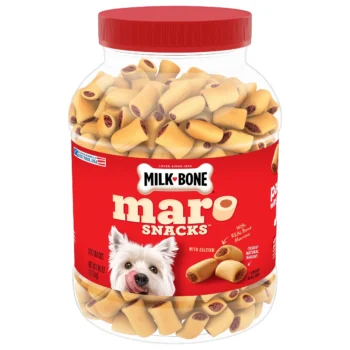
Milk-Bone MaroSnacks: An Honest Talk From a Long-Time User
Introduction: The Sound of Childhood
If you grew up with a dog in the 80s or 90s, you know the sound. It’s a specific, hollow *shikka-shikka-shikka* of a cardboard box being shaken. That was the sound of a Milk-Bone. It was the treat in my grandma’s pantry for her Schnauzer, the reward my childhood Labrador got for coming inside. They were just… there. A constant. So when I got my first dog as an adult, a hyper little rescue named Gus, I instinctively reached for that familiar yellow box at the grocery store. But the pet aisle had changed. Now it was a wall of grain-free, single-ingredient, freeze-dried-this-and-that. I felt oddly guilty putting the Milk-Bones in my cart. Were they the junk food of the dog world?
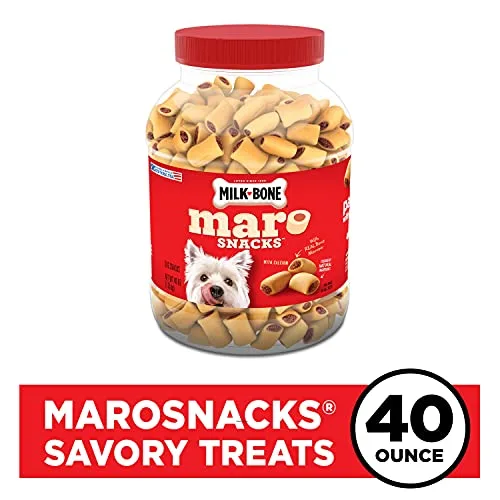
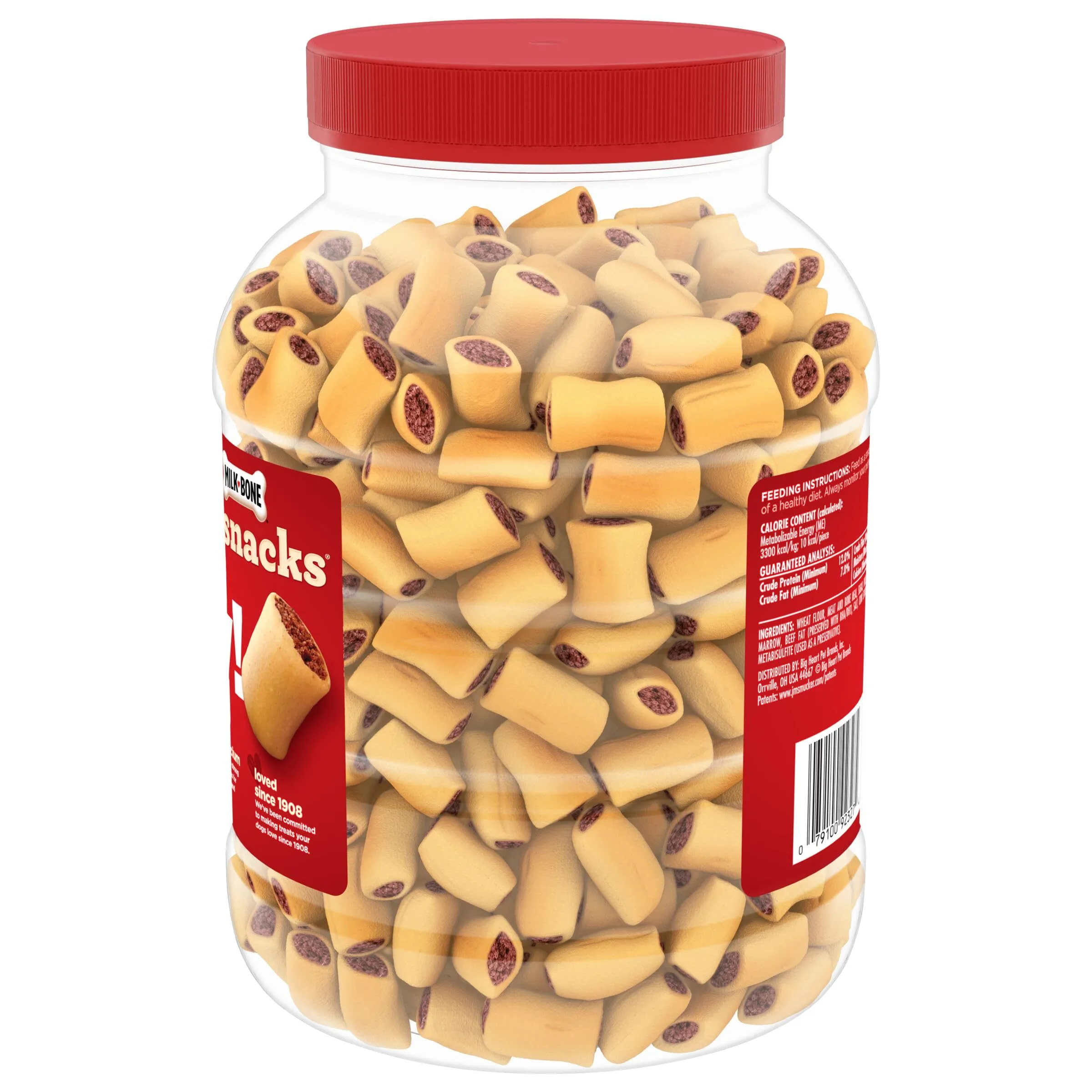
Then I saw the Milk-Bone MaroSnacks. They came in a big plastic jar, not a box. They promised a crunchy outside with a “real bone marrow” center. It felt like a fancier version of the classic. I bought the jar. That was about five years and three dogs ago. This isn’t a scientific analysis. It’s the story of what happens when you keep a giant container of these on your counter for half a decade. The good, the sticky, and the reality of feeding your dog something that’s probably more like a cookie than a vitamin.
Peeling Back the Label: What Are We Actually Giving Them?
Let’s be clear from the start: Milk-Bone has never pretended to be a health food brand. It’s a treat brand. But as a concerned pet owner, I still turn the container around and squint at the tiny print. Here’s what I’ve learned to look for, in plain language.
The “Real Bone Marrow” – Hype or Hero?
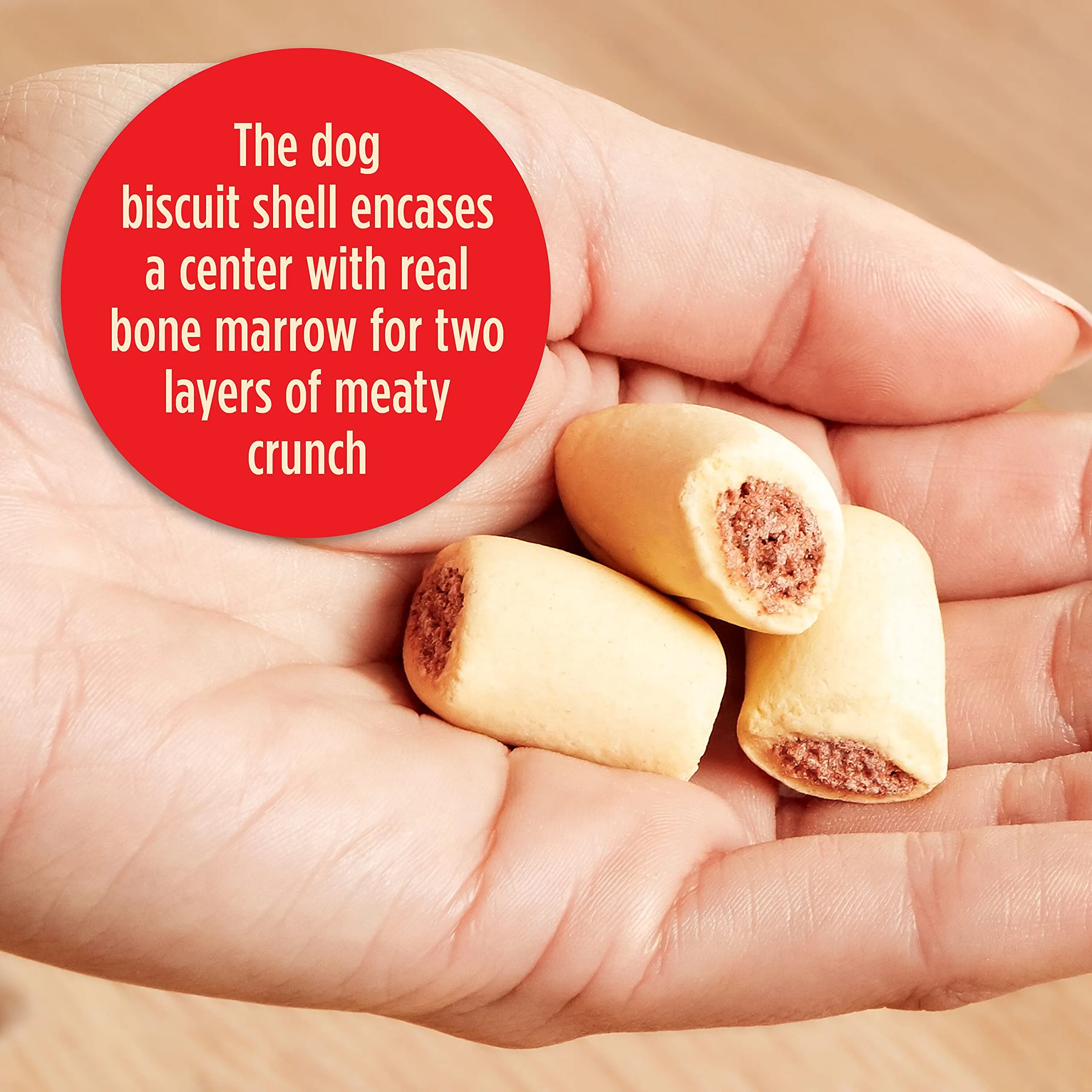
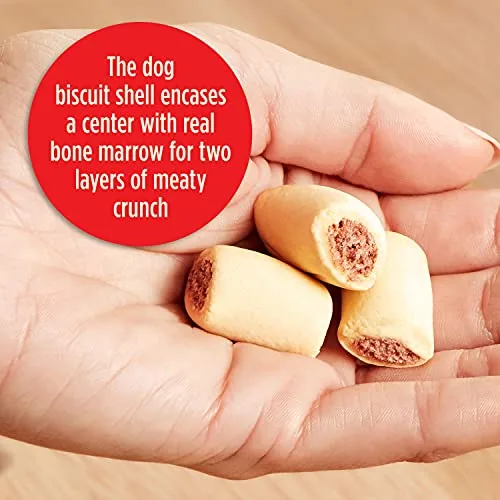
The big promise on the front is the marrow. And look, marrow is good stuff. It’s full of flavor and healthy fats. Dogs go nuts for it. Is it the first ingredient? No. The first ingredient is wheat flour. Then meat and bone meal. The marrow is in there, and you can see and smell it in that soft center, but it’s part of a team, not the star player. Think of it like a chocolate chip cookie where the chocolate chips are the marrow, but the dough is the wheat flour. It’s what makes the treat special, but it’s not the bulk of what your dog is eating.
The Crunch and The Calcium
The texture is actually kind of genius. The hard, crunchy shell does seem to help scrape some gunk off their teeth. I’m not saying it’s a substitute for brushing, but I’ve noticed my current dog, a little terrier mix, has cleaner back teeth since we started using these as her afternoon snack compared to when we used only soft treats. They’re also fortified with calcium carbonate. For a growing puppy or an older dog, a little extra calcium from a treat isn’t a bad thing, in my non-vet opinion.
The Stuff That Makes Me Pause (Sugar and Preservatives)
Okay, here’s the part where I sigh. They contain sugar. Not a ton, but it’s there. I don’t love that. My dogs don’t need sugar. They also use BHA as a preservative for the animal fat. I’ve read the debates about BHA. Some studies say it’s fine in the tiny amounts used; holistic folks say to avoid it. I’ve chosen, for my dogs, to not panic about it in a treat given in moderation, but I completely understand anyone who wants to steer clear. On a good note, they’ve switched from artificial dyes to colors from natural stuff like paprika, which is a solid improvement.
Life With The Big Jar: The Day-to-Day Reality
Features on a label are one thing. What matters is what happens when you open that lid and live with it.
Do Dogs Actually Like Them? (Spoiler: Yes.)
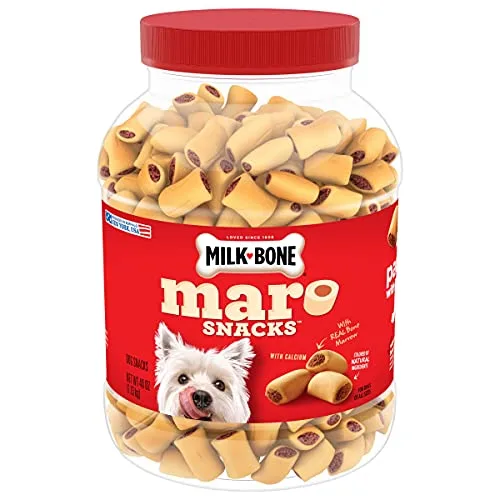
In my house, the rattle of the plastic jar lid is like a dinner gong. All dog activity ceases, and I am stared at with profound intensity. I’ve had three dogs of various breeds and pickiness levels, and all of them would sell me out for a MaroSnack. The marrow center must be like crack to them. I’ve tried fancy, healthy, single-ingredient treats that get sniffed and then ignored. These never get ignored. For training something important, or just saying “you’re a good dog,” they are a guaranteed win.
The Calorie Conversation You Need to Have With Yourself
This is the most important part of this whole review. These things are not air. They are little calorie bricks. For the “small/medium” size, one treat is about 10-12 calories. That seems like nothing, right? But my terrier mix is 14 pounds. Her daily calorie needs are around 400 calories. If I get generous and give her five of these throughout the day because she’s being cute, that’s 60 calories—that’s 15% of her daily food, just in treats! I learned this the hard way when Gus started getting a little… round. Now, for my big dog, I break them in half. For the little one, I break them into quarters. You have to. They are a supplement to their diet, not the main event.
The “Clean Hands” Test
This is a weirdly big deal for me. Some treats are greasy and leave your fingers smelling like rancid fat. Some, like freeze-dried liver, turn to dust in your pocket. MaroSnacks are remarkably clean. They’re dry, they don’t leave grease stains, and they’re sturdy enough to survive in my treat pouch or jacket pocket during a walk without becoming a crumbly mess. For practical, daily use, this is a huge plus.
The Plain-Spoken Good and Bad
| What I Honestly Like | What Gives Me Pause |
|---|---|
| Dogs Are Obsessed: The palatability is off the charts. I’ve never met a dog that refused one. For motivation, they’re gold. | Wheat is Everywhere: First ingredient is wheat flour. If your dog has a grain allergy or sensitivity, these are a hard no. |
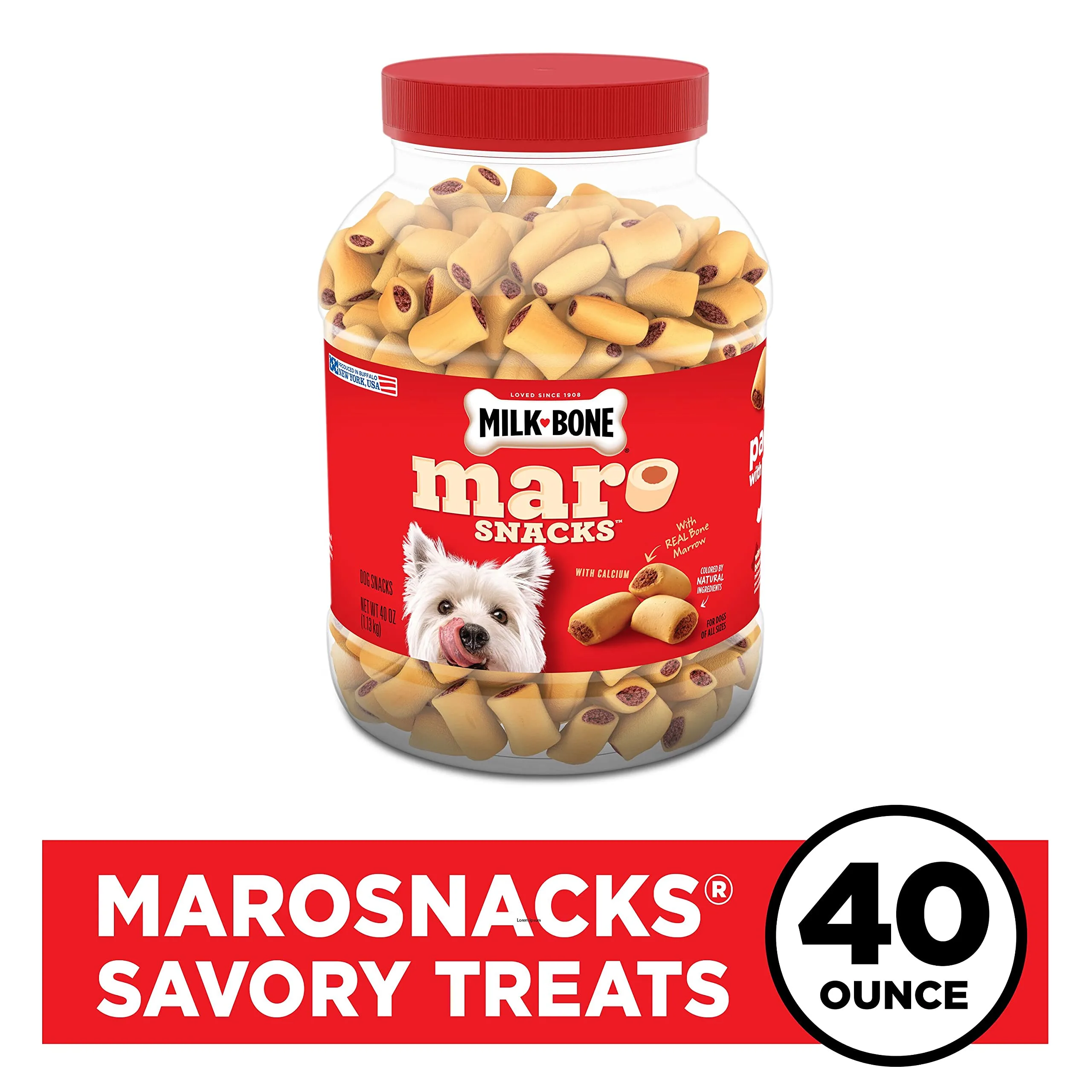
| Wallet-Friendly: The 40oz jar lasts forever. The cost per treat is incredibly low, which matters in a multi-dog home or for frequent training. | Easy to Overdo It: Because they’re small and not gross to handle, it’s way too easy to give too many and pack on the pounds. |
| Good for Teeth: The crunchy texture provides a mild abrasive cleaning action. It’s better than nothing for dental health. | Why the Sugar? I wish they’d take the sugar out. It feels like an unnecessary addition that dogs don’t need. |
| No Mess, No Fuss: They’re dry, portable, and don’t stink up your hands or pockets. Perfect for on-the-go rewards. | The BHA Question: The use of BHA as a preservative is a point of controversy. It’s a personal choice whether you’re okay with it. |
How They Stack Up in the Real World
Let’s put these next to a fancy option and a bare-bones one, based on what’s actually in my pantry.
| Thinking About… | Milk-Bone MaroSnacks (My Daily Go-To) | Freeze-Dried Salmon Bits (The “Fancy” Treat) | Old-School Hard Biscuits (The Basic One) |
|---|---|---|---|
| Main Attraction | Wheat Flour & Marrow | 100% Salmon | Wheat Flour & Molasses |
| Feel in Hand | Crunchy shell, slightly soft center. Clean. | Hard, dusty. Smells very fishy. Leaves residue. | Rock-hard, dry biscuit. Can be crumbly. |
| Cost Reality | Cheap. The big jar is a workhorse. | Very Expensive. A small bag costs a lot. | Dirt Cheap. A giant box is a few dollars. |
| Grain Content | Full of grains. | None. Just meat. | Full of grains. |
| Best Used For | The everyday “good dog,” crate time, casual training. | High-stakes training, major rewards, dogs with allergies. | Filling a treat-dispensing toy for long periods. |
My Take: The freeze-dried salmon is the “healthier” option, no doubt. But I can’t afford to use it for every single “sit” or to fill a Kong. The old-school biscuit is boring and my dogs are less excited by it. The MaroSnacks live in the sweet spot for me: more exciting than a plain biscuit because of that marrow center, but affordable enough that I don’t wince when I grab a handful. They’re the reliable, middle-of-the-road choice.
My Bottom Line After Years of Use
Milk-Bone MaroSnacks are the potato chips of my dog’s world. Are they a health food? No. Do I sometimes feel a little guilty feeding them? Maybe. But does my dog light up with pure, unadulterated joy when she hears that jar open? Absolutely. And sometimes, that’s worth something. They are a tool. A very effective, very affordable tool for reinforcing good behavior, making crate time positive, and just sharing a moment of “I see you being good.”
If your dog has a wheat allergy, or if you are militantly against grains and preservatives, you already know these aren’t for you. But for the average dog with no specific dietary issues, these are a safe, fun, and incredibly practical treat to keep on hand. The key—and I can’t stress this enough—is moderation. Treat them like the occasional cookie they are, not a health supplement. Break them up for small dogs. Factor them into your dog’s daily calories. Do that, and that big plastic jar might just become a comforting, reliable staple in your home, just like it has in mine.
My final thought: They’re not revolutionary. They’re familiar. And in the chaotic journey of dog ownership, sometimes a little familiar, reliable joy in a crunchy package is exactly what you both need.
Questions I’ve Asked Myself (And My Vet)
Are these okay for dogs with sensitive stomachs?
In my experience, it depends. My Labrador, Gus, had an iron gut and could eat anything. My current terrier has a more sensitive stomach. If she has more than one full treat in a day, she sometimes gets a little gassy or has softer stool. For her, I stick to small pieces. If your dog is prone to digestive issues, introduce these slowly and in tiny amounts to see how they react.
How many is too many?
This is the golden question. The 10% rule is a good guide: treats should make up no more than 10% of your dog’s daily calories. For a 50lb dog needing about 1,000 calories, that’s 100 calories from treats. That’s about 8-10 of the small/medium MaroSnacks. That sounds like a lot, but remember, you probably give other treats too. I try to keep it to 2-3 full treats max for my medium-sized dog, and I break them up throughout the day.
Can puppies have these?
They make a “Puppy” version, which is smaller and has different nutrient fortifications. I’ve used the regular small ones for puppies when they were around 4-5 months old, but I broke them into tiny pieces. The main thing is, puppies have tiny tummies and specific nutritional needs. A MaroSnack should be a rare reward during training, not a dietary staple for a growing pup.
Do they really help clean teeth?
They help *mechanically* clean teeth through abrasion, like a hard bread crust might for us. They are not a replacement for brushing, dental chews like Greenies, or professional cleanings. Think of it as a mild, supplementary benefit, not a solution. I notice less visible plaque on my dog’s canines since using these compared to only soft treats, but the back molars still need attention.
What’s the shelf life once opened?
The plastic jar helps a lot. I’ve kept an opened jar for months, and the treats don’t seem to go stale or lose their crunch. The preservatives, love them or hate them, do their job in keeping the fats from going rancid. They stay fresh and appealing for a very long time, which is part of the value of the big container.
Are they a choking hazard?
For most dogs, no. They are hard but quickly soften with saliva. For a dog that inhales food without chewing, any treat can be a risk. I always supervise when giving treats. For my little one, I break them into pieces to encourage chewing and prevent her from trying to swallow it whole in her excitement.
Why not just use their regular kibble as treats?
I do this for basic training sometimes! But the value isn’t the same. For teaching a new, difficult command, or for a high-distraction environment like the dog park, kibble often isn’t motivating enough. The MaroSnack, with its strong smell and taste, cuts through the distraction. It’s a higher-value currency for when you really need your dog’s attention.
Disclaimer: I am a passionate pet owner, not a veterinarian. The information in this article is based on research and personal experience. Always consult your vet before changing your pet’s diet or medication.