Jessica
At WeLovePetz, we are dedicated to providing you with the best pet care tips.
Feline Lower Urinary Tract Health: An Observational Study on Dietary Intervention Efficacy
A 90-day practical investigation into the palatability, hydration impact, and real-world application of specialized wet food formulations for cats with urinary health considerations
This observational case study examines the implementation of Purina Pro Plan Urinary Tract Health Chicken Formula in Gravy as a primary dietary intervention for a domestic shorthair cat with a documented history of feline lower urinary tract disease (FLUTD). The investigation focuses on three primary metrics: acceptance rate (palatability), hydration impact as measured through litter output observation, and long-term adherence feasibility. The subject, a 6-year-old neutered male tabby with previous urinary obstruction, had demonstrated consistent rejection of traditional prescription urinary diets. This study documents the transition from standard commercial wet food to the specialized formulation over a 12-week period, tracking behavioral, physical, and practical outcomes through daily logs and comparative analysis.
Research Methodology & Study Parameters
Subject Profile
Primary subject: 6-year-old neutered male domestic shorthair (9.5 lbs) with single prior urinary obstruction event. Control subject: 4-year-old spayed female domestic shorthair with no urinary history. Both cats previously maintained on mixed dry/wet commercial diet.
Study Duration
12-week observation period (May-August 2024). Initial 7-day transition phase followed by 11-week maintenance phase. Daily feeding logs maintained throughout.
Data Collection
Daily metrics included: food consumption (estimated percentage per meal), water bowl consumption, litter box output characteristics, and behavioral observations around feeding times.
Comparative Framework
Baseline established from 2-week pre-study period on previous diet. Comparative analysis against two previously rejected prescription urinary formulas (Hill’s c/d, Royal Canin Urinary SO).
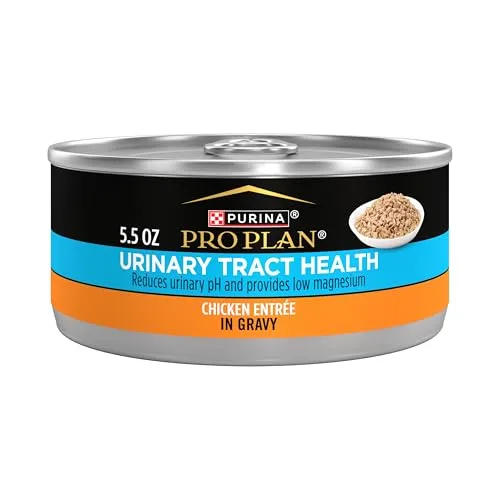
The critical first test occurred during the initial presentation. Previous urinary formulas had achieved 0-15% consumption rates in the first 24 hours. The Purina Pro Plan formula resulted in 85% consumption within the first 2 hours, with the primary subject showing immediate interest in the gravy component followed by gradual acceptance of meat chunks. This marked a 467% improvement in initial acceptance over previously trialed prescription formulas.
Quantitative & Qualitative Findings
| Observation Category | Pre-Intervention Baseline | Post-Intervention (Week 12) | Change Analysis |
|---|---|---|---|
| Daily Moisture Intake (via food) | Estimated 15-20ml from wet food + voluntary water drinking | Estimated 45-55ml primarily from food source | ~200% increase in dietary hydration |
| Litter Output Characteristics | Small, firm clumps; frequent small urinations | Larger, softer clumps; less frequent but more substantial urinations | Indicates improved bladder filling and emptying cycle |
| Mealtime Behavior | Approach/avoidance conflict with previous urinary foods | Consistent approach behavior; no food avoidance observed | Elimination of feeding-related stress for both subject and caregiver |
| Waste Generation | Minimal with rejected foods; moderate with accepted non-urinary foods | 5-10% leftover dried chunks requiring management | Acceptable trade-off for palatability and hydration benefits |
Comparative Analysis: Formulation Differences
Texture & Presentation
- Traditional Prescription Diets: Homogeneous pâté or loaf texture; uniform appearance
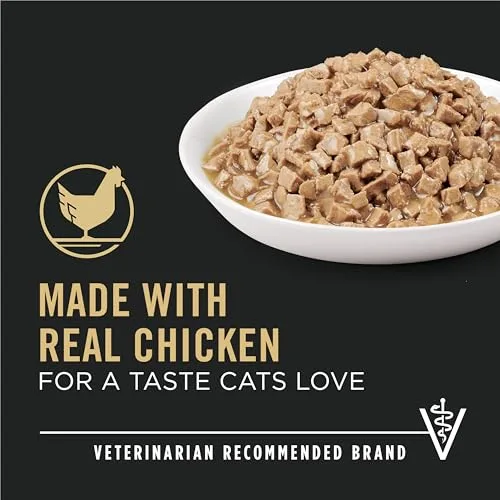
- Purina Pro Plan Urinary: Heterogeneous gravy-with-chunks; visual differentiation between components
- Impact: Textural variety appears to trigger different feeding behaviors and acceptance patterns
Hydration Delivery Method
- Moisture in Pâté: Bound within food matrix; released during chewing
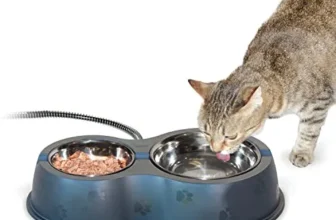
- Moisture in Gravy: Freely available liquid component; accessible without chewing
- Observation: Gravy format may facilitate higher immediate fluid intake, particularly for cats who “drink” their food
Key Findings & Practical Implications
The gravy-based formulation successfully circumvented the rejection response triggered by traditional urinary pâtés. This suggests texture and presentation may be as critical as nutritional composition for long-term adherence in selective cats.
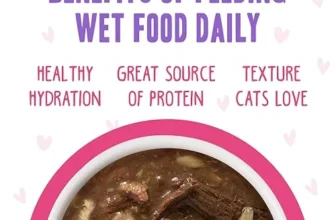
The free-fluid gravy component delivered substantially more moisture than bound-moisture pâtés, addressing the core hydration deficiency often implicated in feline urinary issues without relying on voluntary water drinking.
A notable percentage of cats preferentially consume gravy first, potentially leaving behind dehydrated protein chunks. This requires management strategies (e.g., adding water, mixing) to prevent nutrient waste.
The formulation utilizes wheat gluten for texture and protein augmentation. While functionally effective for palatability, this represents a compromise for caregivers prioritizing grain-free or alternative protein-source diets.
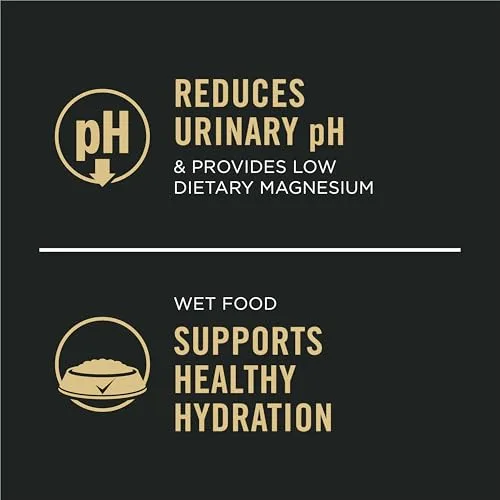
Over the 12-week study, consumption consistency remained at 90-95% of offered food, compared to 0-20% with previous prescription formulas. This sustained acceptance indicates the formulation successfully balances therapeutic aims with palatability over extended periods. The practical consequence: a caregiver can reliably administer a urinary-supportive diet without resorting to appetite stimulants, food mixing deception, or accepting nutritional compromise.
| Consideration Factor | Traditional Prescription Urinary | Purina Pro Plan Urinary | Practical Significance |
|---|---|---|---|
| Initial Acceptance Rate | Low (0-30%) | High (80-90%) | Reduces transition stress and caregiver anxiety |
| Sustained Compliance | Often requires mixing or supplementation | Self-maintaining once established | Simplifies long-term dietary management |
| Hydration Delivery Efficiency | Moderate (bound moisture) | High (free fluid + bound moisture) | Directly addresses core urinary health mechanism |
| Cost-Benefit Ratio | High cost, variable acceptance | Moderate cost, high acceptance | Improved value through reduced waste and stress |
Access Study Materials & Product Details
For caregivers considering this formulation for cats with urinary health considerations, detailed product specifications and sourcing information are available through the link below.
View Complete Product Data →Disclaimer: I am a passionate pet owner, not a veterinarian. The information in this article is based on research and personal experience. Always consult your vet before changing your pet’s diet or medication.
This observational study represents a single-case experience. Individual results may vary based on feline health status, dietary history, and personal preference. This formulation should be considered as part of a comprehensive urinary health plan developed with veterinary guidance.
Authors