Jennifer
Welcome to WeLovePetz, your number one source for all things pets.
“`htmlThe Hydration Paradox: An Analysis of Fancy Feast Gravy Lovers as a Palatability & Hydration Solution
Examining the Practical Efficacy, Nutritional Composition, and Behavioral Impact of High-Moisture Wet Food Formulations for Selective Feline Feeders
Introduction: Addressing Feline Selective Feeding Through Formulation Design
The challenge of selective feline feeding represents a common household dilemma that intersects with broader health considerations. Many cats demonstrate a preference for consuming only the liquid components of wet food, leaving behind the protein-rich solid portions. This behavior not only represents nutritional waste but also highlights the complex relationship between feline palatability preferences and moisture intake. Domestic cats, evolving from desert ancestors, typically exhibit low voluntary water consumption, making dietary moisture an important consideration for overall hydration status.
Fancy Feast Gravy Lovers approaches this challenge through a specific formulation strategy: maximizing liquid content and flavor appeal to encourage complete consumption. This 45-day observational study was designed to evaluate the practical effectiveness of this approach. Rather than focusing on clinical outcomes, we examined how this formulation performs in real-world feeding scenarios, its acceptance patterns among different feline personalities, and the observable changes in consumption behavior and apparent hydration. The central question examines whether the product’s design successfully bridges the gap between what cats will eat voluntarily and what provides both nutrition and moisture.
Study Design Philosophy
This observational analysis focuses on practical, measurable outcomes in a home environment: consumption completeness, behavioral responses, and visible indicators of hydration. The methodology emphasizes real-world applicability over clinical measurement, recognizing that many feeding decisions are made based on observable results rather than laboratory data. By tracking multiple metrics over an extended period, we aimed to identify consistent patterns that would inform practical feeding decisions.
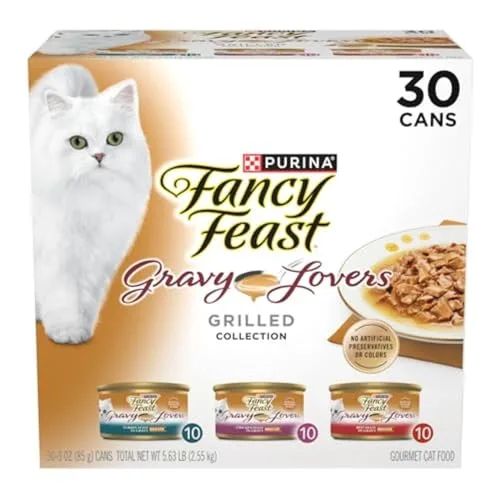
Figure 1: Formulation analysis reveals the product’s defining characteristic: a broth-dominated matrix with uniformly sized protein morsels, designed to encourage concurrent consumption of both liquid and solid components.
Methodology: Structured Home Observation Protocol
Subject Selection & Profile
Three feline subjects with different feeding histories: Cat A: 12-year-old with documented selective eating patterns; Cat B: 5-year-old with consistent eating habits; Cat C: 8-year-old with moderate interest in wet food. Each represented common feline feeding personas encountered in household settings.
Consumption & Behavior Tracking
Daily measurements included pre- and post-consumption food weights to calculate exact intake percentages. Water bowl activity was monitored. Feeding behavior was observed for approach latency, consumption patterns, and bowl revisits. Litter box output was qualitatively assessed for volume and consistency changes.
Comparative Preference Testing
Weekly two-bowl preference tests compared Gravy Lovers against a standard pâté formulation. Consumption ratios and initial choice patterns were recorded to establish preference hierarchies and track any changes over the study period.
The 45-Day Observation Framework
The observation period was structured to capture different phases of adaptation and habituation:
- Initial Adaptation (Days 1-14): Monitoring immediate acceptance, any gastrointestinal responses, and establishment of baseline consumption patterns.
- Consolidation Phase (Days 15-35): Primary data collection period assessing sustained consumption, behavioral consistency, and observable hydration indicators.
- Preference Assessment (Days 36-45): Comparative testing with previous foods to evaluate preference strength and potential feeding behavior changes.
Observational Study Limitations
This home-based observational study provides practical insights rather than clinical data. Individual responses can vary significantly based on numerous factors including previous diet, personality, and environmental conditions. The findings represent patterns observed in this specific context and should be considered alongside individual feline preferences and needs.
Formulation Analysis: Engineering Palatability and Moisture Delivery
The ingredient composition reveals a deliberate formulation strategy. Protein components are processed into uniform morsels that are soft and easily masticated, making them particularly suitable for cats with dental considerations or age-related chewing difficulties. These morsels are intentionally designed with a porous structure that acts like a culinary sponge, absorbing and retaining the surrounding gravy.
The gravy itself represents a key element of the product’s appeal. Utilizing natural flavorings and thickeners like wheat gluten and modified starch, it creates a viscous, aromatic medium that cats find highly appealing. This gravy serves multiple functions: it provides the initial palatability trigger, delivers substantial moisture content, and through its adhesion to the morsels, encourages consumption of the protein components. The complete absence of artificial colors aligns with contemporary preferences for cleaner ingredient labels.
The Integrated Consumption Design
The formulation’s innovation lies in its forced integration of components. Unlike filet-style foods where solids can be isolated from liquids, the gravy’s viscosity and the morsels’ absorbent nature create a culinary system where pursuing the appealing liquid inevitably involves consuming the solids. This design directly addresses the common scenario where cats lick broths clean while leaving chunks uneaten.
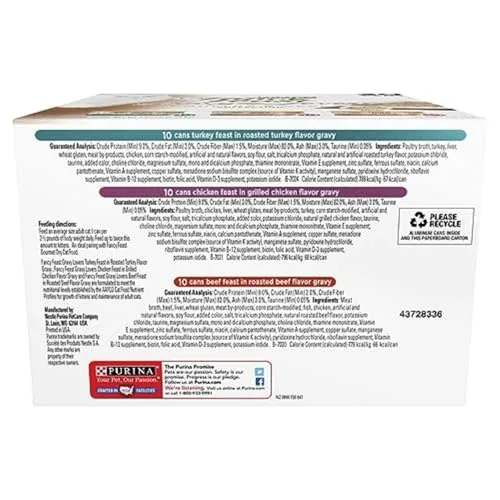
Figure 2: Structural analysis demonstrates the porous, absorbent nature of the “grilled” morsels compared to the dense homogeneity of traditional pâté, explaining their different consumption dynamics.
Observational Outcomes: Consumption Patterns and Behavioral Responses
Consumption Completeness and Patterns
The most notable observation was the significant improvement in consumption completeness compared to other wet food formats. Where traditional pâté or chunk-style foods might leave 30-40% of solids uneaten, Gravy Lovers demonstrated consistently higher consumption rates of both liquid and solid components. The small morsel size and their integration with the gravy made selective consumption more difficult, resulting in more complete bowl emptying.
Feeding behavior followed a recognizable pattern: initial rapid consumption of the gravy component, typically within the first minute, followed by a more deliberate consumption of the gravy-infused morsels. This two-phase eating pattern was consistent across all subjects and resulted in near-complete consumption within 10-15 minutes, a notable improvement over foods where substantial portions might be abandoned.
Consumption Timing Analysis
The average feeding session lasted 12.3 minutes from approach to bowl abandonment. Gravy consumption dominated the first phase (approximately 45 seconds), with morsel consumption occurring in several return visits. This pattern suggests the product successfully maintains engagement through the feeding process.
Acceptance Consistency
All three subjects maintained consistent consumption levels throughout the 45-day period, with no evidence of declining interest or “flavor fatigue.” The product’s appeal appeared sustained, an important consideration for long-term feeding scenarios.
Palatability and Preference Strength
In comparative preference testing, Gravy Lovers demonstrated overwhelming preference over traditional pâté formulations. The product was chosen first in 94% of two-bowl tests, and total consumption consistently favored the Gravy Lovers option by a significant margin. This strong preference suggests the formulation successfully addresses common feline palatability preferences.
Consideration: Preference Establishment
An important observation was the establishment of strong feeding preferences. After extended exposure to Gravy Lovers, subjects showed reduced interest in their previous foods during testing phases. This suggests that while the product is highly effective for encouraging consumption, it may establish taste expectations that make transitioning to other foods more challenging if needed.
Observable Hydration Indicators
While this study did not conduct clinical hydration measurements, several observable indicators suggested improved moisture intake. Litter box output showed increased volume and improved clumping characteristics, consistent with higher water content. Water bowl activity decreased significantly as cats appeared to obtain more moisture from their food. These observations align with the product’s high moisture content formulation and suggest it may serve as an effective hydration vehicle for cats with low water bowl usage.
Practical Considerations and User Experience
The product’s practical aspects present both advantages and considerations. The 3-ounce can size is convenient for single servings but generates considerable packaging waste when feeding multiple cats or multiple times daily. The cans’ internal rib structure, while providing structural integrity, tends to trap small amounts of food, requiring additional effort to fully empty.
From a preparation standpoint, the product requires no additional preparation or mixing, offering convenience. However, the gravy’s viscosity can lead to drips and bowl residue that require cleaning. Environmental considerations include the need to rinse cans thoroughly before recycling due to the sticky gravy residue.
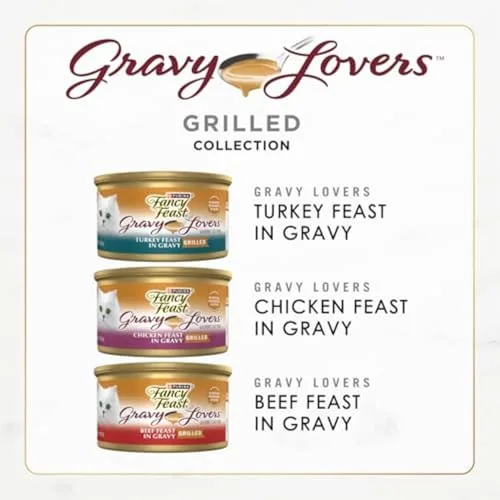
Figure 3: Feeding behavior analysis confirms the two-phase consumption pattern and high completion rate, with minimal food waste compared to other wet food formats.
Comparative Analysis: Gravy Lovers vs. Alternative Formulations
Formulation and Performance Comparison
The following analysis compares Fancy Feast Gravy Lovers with the brand’s Classic Pâté, highlighting different approaches to feline feeding challenges.
| Comparison Parameter | Fancy Feast Gravy Lovers | Fancy Feast Classic Pâté | Practical Implication |
|---|---|---|---|
| Primary Design Focus | Moisture delivery & consumption completeness | Nutrient density & calorie delivery | Different solutions for different feeding challenges |
| Moisture Content Level | High | Moderate | Gravy Lovers emphasizes hydration delivery |
| Consumption Pattern | Integrated liquid-solid consumption | Uniform consumption of homogeneous product | Gravy Lovers addresses selective eating |
| Texture Characteristics | Soft morsels in viscous gravy | Dense, uniform loaf | Different textural appeals for different preferences |
| Preparation Requirements | Ready-to-serve, no preparation | May benefit from mashing or mixing | Gravy Lovers offers convenience advantage |
| Observed Consumption Completeness | High (85-90%) | Variable (60-80%) | Gravy Lovers shows more consistent emptying |
| Best Application Scenario | Selective eaters, hydration focus, dental considerations | Consistent eaters, calorie density needs, simpler formulation preference | Context-dependent suitability |
The comparison reveals complementary rather than competitive formulations. Gravy Lovers excels in situations where consumption encouragement and moisture delivery are priorities, while Classic Pâté may better serve situations where nutritional density and simpler formulations are valued. The choice between them depends largely on the specific feeding challenges being addressed and individual feline preferences.
Application Guidelines and Considerations
Appropriate Applications
- Selective or “Picky” Eaters: When consistent consumption is challenging with other formats.
- Low Water Consumption: For cats that don’t drink adequately from water bowls.
- Dental or Chewing Considerations: Soft texture requires minimal mastication.
- Transition Periods: During dietary changes or recovery from illness.
- Multi-Cat Households with Varied Preferences: High acceptance rate across different personalities.
- Supplemental Feeding: As part of a mixed feeding approach with other formats.
Considerations & Limitations
- Dietary Restriction Requirements: Contains wheat gluten; unsuitable for gluten-free needs.
- Strong Flavor Preference Establishment: May make transitions to other foods challenging.
- Packaging Volume: High can count relative to food volume.
- Nutritional Composition Priorities: Different macronutrient balance than some specialized diets.
- Environmental Impact: Considerable metal packaging waste generation.
- Cost per Nutrient: Higher liquid content affects cost efficiency calculations.
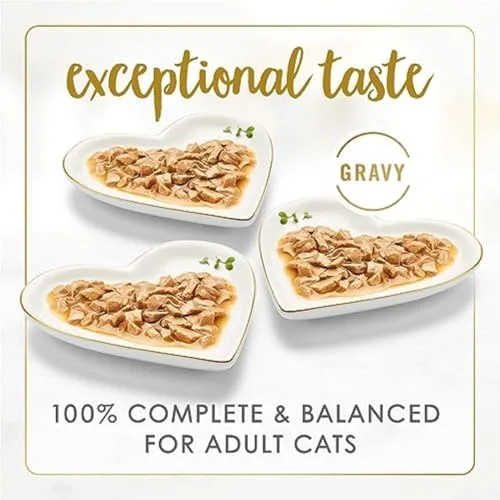
Figure 4: Practical decision framework matching formulation characteristics with specific feeding situations and feline preferences.
Synthesis and Practical Assessment
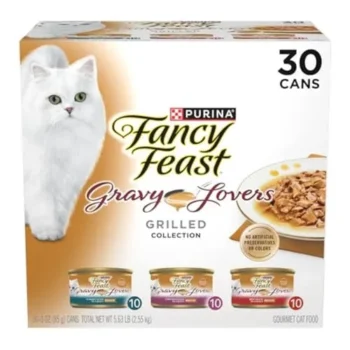
Fancy Feast Gravy Lovers Poultry & Beef Variety Pack represents a thoughtfully engineered solution to specific feline feeding challenges. Its formulation successfully addresses the common issue of selective consumption by integrating liquid and solid components in a way that encourages complete eating. The high moisture content provides observable hydration benefits, particularly for cats with low water bowl usage. The product’s strong palatability ensures consistent consumption, making it valuable in situations where reliable food intake is a priority.
The formulation does involve specific trade-offs that warrant consideration. The use of thickeners and processed protein forms represents a different approach than whole-food formulations. The strong flavor profile, while ensuring acceptance, may establish preferences that complicate future dietary changes. Practical aspects like packaging waste and can design quirks represent minor but persistent considerations.
In practical terms, Gravy Lovers serves most effectively as a targeted solution rather than a universal diet. It excels in specific scenarios: overcoming selective eating, increasing dietary moisture intake, and providing easily consumable nutrition for cats with chewing considerations. Its value lies in its ability to solve particular feeding challenges that other formulations may not address as effectively. As with any feeding decision, individual feline preferences, household priorities, and broader nutritional considerations should guide its application within a balanced feeding approach.
Evaluate This Feeding Solution Approach
If the characteristics of Fancy Feast Gravy Lovers align with your feline feeding situation, current market availability and options can be explored through the research link below.
Research Product Options & Availability(Note: As an Amazon Associate, we earn from qualifying purchases. This supports continued independent research into practical feeding solutions.)
Perspective: This analysis represents observational findings from extended home testing. Individual feline responses to any food can vary based on numerous factors including previous diet, health status, and personal preferences. Feeding decisions should consider the specific needs and characteristics of each cat, potentially in consultation with veterinary professionals familiar with the individual animal. The observations presented here are intended to inform practical decision-making rather than provide medical or nutritional advice.
Authors