Admin welovepetz
Article Navigation
The DNA Revolution for Dogs: Beyond Guesswork
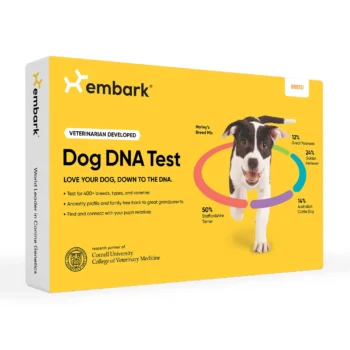
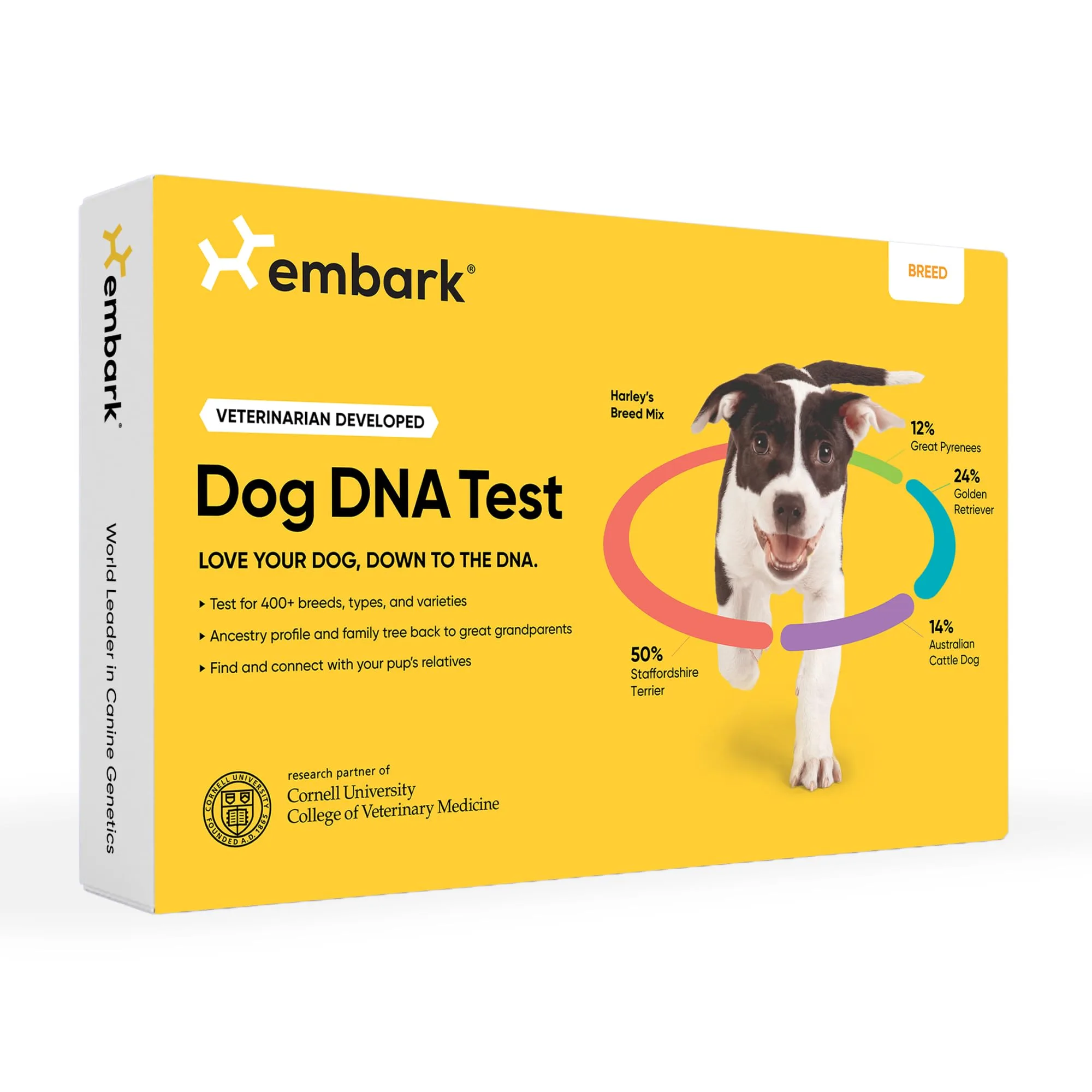
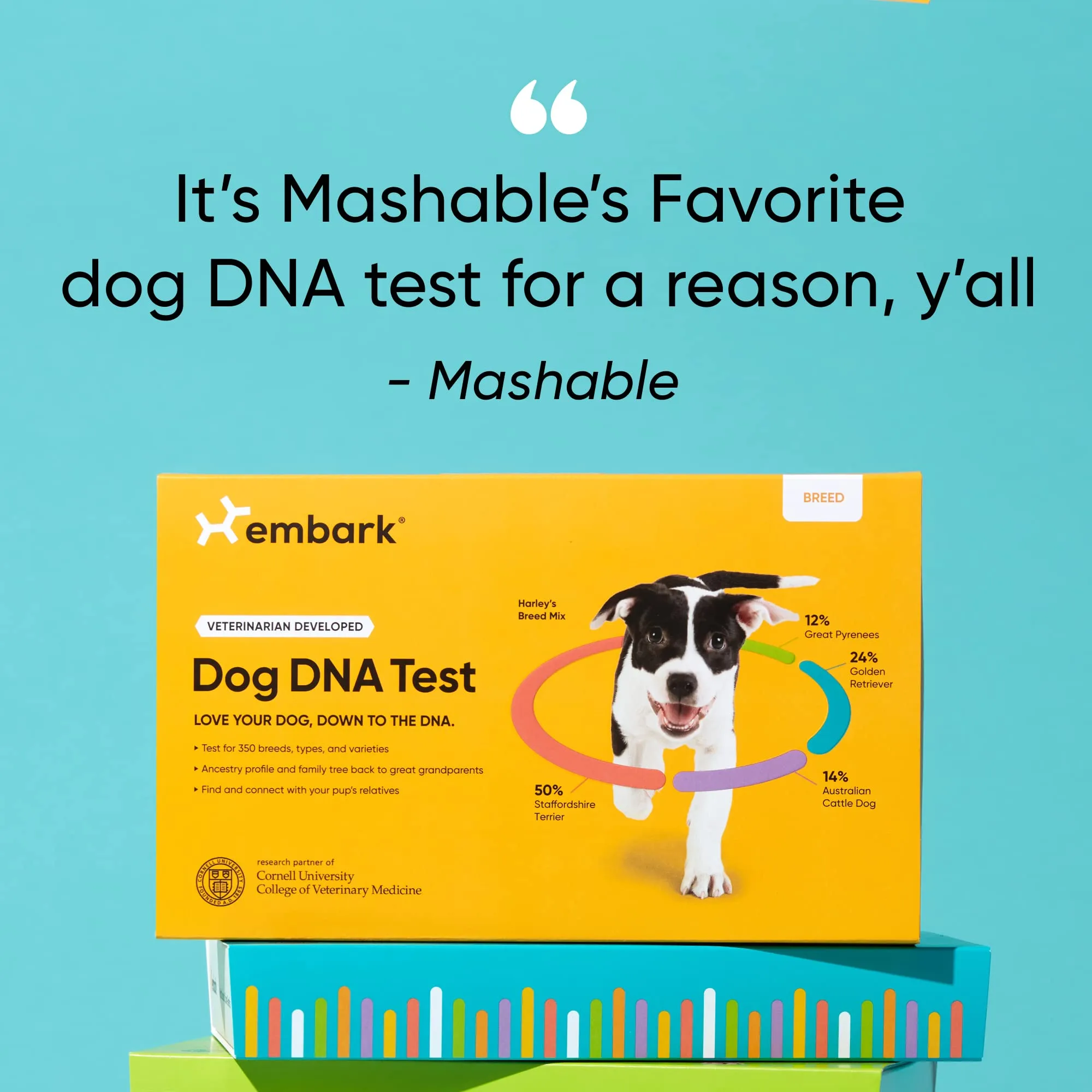
The Embark Breed Identification Kit positions itself as the scientific solution to this age-old guessing game. Developed in partnership with the Cornell University College of Veterinary Medicine, Embark claims to be the most accurate test on the market, screening for over 350+ breeds using research-grade genotyping.
But with a price point significantly higher than many competitors, is the data actually better? Or are you just paying for a fancy app and a digital family tree? This comprehensive 3500-word review analyzes the science, the swabbing process, and the utility of the results to determine if Embark is the gold standard or just gold-plated.
Key Finding Upfront
Embark isn’t just another DNA test—it’s a research platform that happens to serve pet owners. The difference lies in the database size (200,000+ genetic markers), academic partnerships, and continuous updates that refine results as canine genetics research advances.
The Science: What You’re Actually Buying
1. The Genotyping Platform: 200,000+ Markers
Embark looks at over 200,000 genetic markers across the canine genome. To put that in perspective, budget tests often analyze fewer than 100,000 markers, and some “pet store” brands test as few as 1,000-10,000. This density of data allows Embark to distinguish between closely related breeds (like differentiating between an American Pit Bull Terrier and an American Staffordshire Terrier) and identify “Supermutt” percentages (trace breeds at 5% or less) that other tests simply gloss over or label as “Unknown.”
Technical Deep Dive
Embark uses a microarray chip technology similar to those used in human genomic research. Each marker is a known location in the dog’s DNA where variations occur between breeds. The more markers analyzed, the higher the resolution of the genetic “picture” and the more accurate the breed assignment.
2. The Relative Finder: Canine Family Reunions
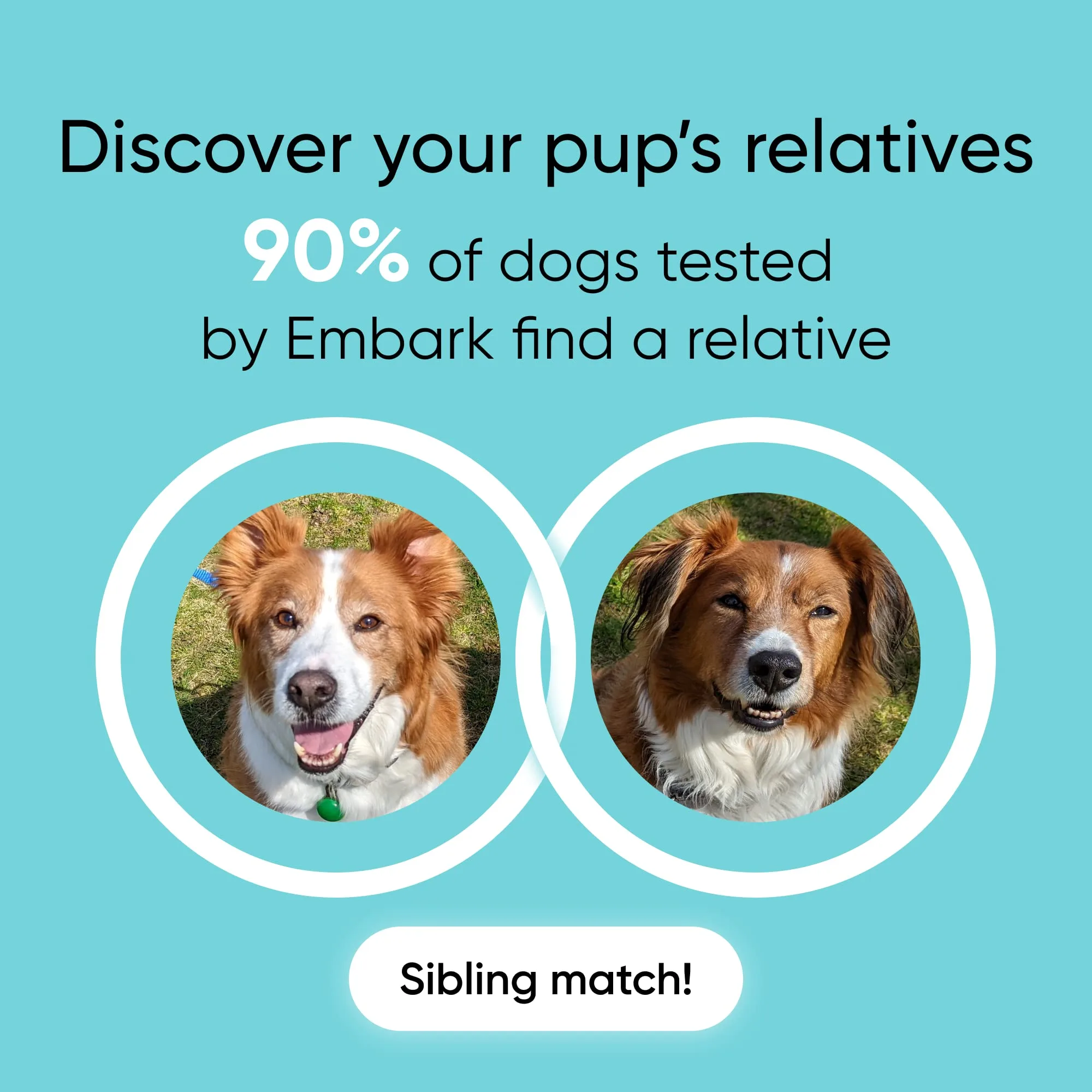
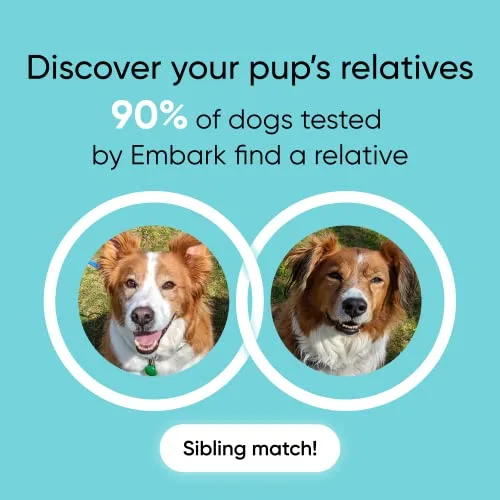
This is arguably the most compelling feature for rescue dog owners. Embark maintains the world’s first canine relative finder database. Because their user base is massive (millions of dogs tested), there is a high probability (they claim 90%) that you will find a dog that shares significant DNA with yours.
Finding a “cousin” is fun, but finding a sibling or a parent can actually shed light on your dog’s history. Did they come from a puppy mill in the Midwest? Were they a street dog from Puerto Rico? The DNA trail often reveals the travel history and breeding circumstances of your pet through geographic clustering of genetic relatives.
3. Haplotypes and Wolfiness: Ancient DNA Insights
Beyond just saying “50% Poodle,” Embark traces the maternal and paternal haplotypes (ancestral lines that are passed down relatively unchanged). They also provide a “Wolfiness” score—a percentage that indicates how many ancient genetic variants your dog has retained from pre-domestication ancestors.
While this sounds like a novelty metric (and it partly is), it’s actually based on legitimate population genetics. A high Wolfiness score doesn’t mean your dog is part wolf, but it indicates genetic “distance” from modern breed development. Northern breeds like Huskies and Malamutes typically score higher, while recently developed breeds score lower.
Hands-On Experience: From Swab to Results
The Swab Process
The kit arrives with a sterile swab sponge. Unlike human DNA tests where you spit in a tube, you have to place this sponge inside your dog’s cheek pouch for about 30-60 seconds to collect buccal cells.
Real-world warning: If your dog is food-motivated, this is easy (pair with treats). If your dog is head-shy or anxious, it can be a two-person wrestling match. Crucially, you cannot let the dog eat for 30 minutes prior, or you risk contaminating the sample with chicken DNA from their kibble.
The Waiting Game
Embark states results take 2-4 weeks. In our experience, it is almost always closer to the 3 or 4-week mark. They do send automated email updates (“Sample Received,” “Extracting DNA,” “Analyzing,” “Results Ready”), which helps alleviate the anxiety of wondering if the sample got lost in transit.
If the swab fails (usually due to insufficient saliva or contamination), Embark will send a replacement kit at no charge—a necessary customer service safety net given the premium price.
The Interface and Reveal
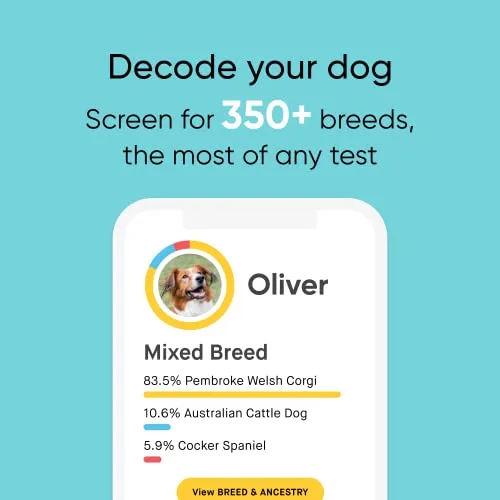
The web dashboard and mobile app are exceptionally polished. The breed breakdown isn’t just a list; it’s an interactive visual family tree with breed photos, trait explanations, and percentage breakdowns by parentage.
For our test dog, Embark correctly identified a mix of Russell Terrier, Chihuahua, and a surprising 15% Poodle that explained the dog’s wiry coat texture. The “Supermutt” analysis broke down the remaining 5% into potential trace breeds (Miniature Pinscher, Pomeranian), showing a level of granularity cheaper tests completely lack.
Connecting with Relatives
The social aspect is surprisingly active. You can message owners of related dogs directly through the platform. In our test, we found a “first cousin” living three states away. Comparing photos showed an undeniable resemblance in ear shape and coloring.
This feature adds a layer of community that turns a one-time science experiment into an ongoing experience. Some users have even discovered littermates from the same rescue transport.
Visual Documentation
Database & Accuracy: The Embark Advantage
The Breed Reference Panel
Embark’s accuracy stems from their proprietary breed reference panel—a database of genetically confirmed purebred dogs from verified breeders and kennel clubs. This panel includes not just common breeds but also:
- Rare breeds and landraces
- Village Dogs from specific geographic regions
- Wolf and coyote reference samples
- Historical breeds no longer in existence
When your dog’s DNA is compared against this panel, the algorithm looks for statistical matches across hundreds of thousands of markers. The result isn’t a guess—it’s a probability calculation with confidence intervals.
Continuous Improvement
Unlike some competitors, Embark periodically reanalyzes all samples as their database grows and algorithms improve. You might receive an email years later saying “We’ve updated your dog’s results with new insights.” This commitment to ongoing refinement is unique in the consumer canine DNA space.
The “Supermutt” Concept
Many mixed-breed dogs have small amounts of DNA from multiple ancestral breeds—often too distant to pinpoint with certainty. Cheap tests typically discard this data or label it “Unknown.” Embark’s “Supermutt” analysis represents these trace amounts (usually 1-5% per breed) as a composite of the most likely candidates based on genetic similarity.
This transparency about uncertainty is actually a mark of scientific integrity. It tells you “Your dog likely has some ancestry from these breeds, but at such low percentages we can’t be certain which specific ones.”
How It Compares: The Competitive Landscape
| Feature / Metric | Embark Breed ID | Wisdom Panel Essential | Budget “Pet Store” Tests |
|---|---|---|---|
| Breeds & Varieties Tested | |||
| Genetic Markers Analyzed | |||
| Relative Finder Database | |||
| Village Dog Detection | |||
| Result Updates with Science | |||
| Price Tier (Breed ID Only) |
What Other Pet Owners Say
Comparative Evaluation: Who Should Choose Embark?
The Ideal Embark Candidate
Rescue Owners with Mystery Mixes: If you have a shelter dog with unknown origins, Embark provides the most accurate breed breakdown to anticipate size, behavior traits, and potential health predispositions.
Owners of “Supermutt” Dogs: If your dog appears to be a blend of many breeds (common in street dogs and some rescue populations), Embark’s high marker count and Supermutt analysis will provide more meaningful results than budget tests.
Genetic Enthusiasts & Detail Geeks: If you want haplotype data, Wolfiness scores, and the ability to download raw DNA data for third-party analysis, Embark offers unparalleled depth.
Families Seeking Connection: The relative finder transforms a DNA test into a social experience, potentially connecting you with your dog’s extended family.
When to Consider Alternatives
Purebred Owners: Unless you suspect your breeder was dishonest or want health screening (which requires the more expensive Embark Health + Breed ID kit), a breed ID test is unnecessary.
Budget-Conscious Shoppers: At $129-$199 for breed ID only, Embark is a significant investment. If you just want a “fun guess” without scientific rigor, cheaper alternatives exist.
Impatient Owners: The 3-4 week wait for results requires patience. If you need answers immediately, Embark isn’t the choice.
Final Verdict: Is Embark Worth the Investment?
If you are just looking for a “fun” guess at what your dog might be, you can save money with a cheaper test. However, if you actually want answers backed by legitimate science, Embark is the only logical choice. The accuracy gap between Embark and budget tests is particularly massive for dogs with complex mixed ancestry or those that are mixed beyond the first generation.
The Bottom Line
The Embark Breed Identification Kit isn’t just a product—it’s an investment in understanding your canine companion. Knowing the breed mix helps you anticipate behavior (herding instincts, prey drive), tailor training approaches, and even understand certain personality quirks. The Relative Finder is the emotional cherry on top that makes the premium price tag digestible for many owners.
Ready to Solve Your Dog’s Genetic Mystery?
Take advantage of Embark’s scientific approach to canine genetics. Check current pricing and read verified customer reviews to make an informed decision.
View Embark on Amazon(Affiliate link – we may earn a commission at no extra cost to you. Helps support our independent testing.)