Jennifer
The Cult of Fancy Feast: Junk Food or Hidden Nutritional Gold?
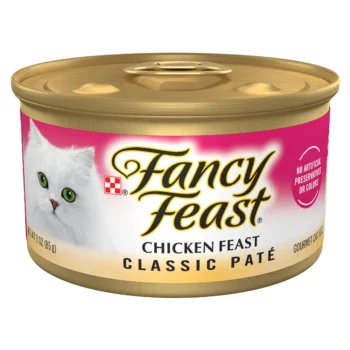
Let me confess something: for years, I was a cat food snob. I’d stroll past the Fancy Feast display at the grocery store with a subtle, judgmental smirk. Those tiny, colorful cans with the elegant feline portrait? That was “junk food” in my mind—the equivalent of feeding my cats McDonald’s every day. I was spending a small fortune on boutique brands with beautiful packaging and ingredients lists that sounded like they came from a farm-to-table restaurant. Then, something unexpected happened. My senior cat, Oliver, was diagnosed with early-stage kidney disease and developed a picky appetite that bordered on anorexia. He turned his nose up at the expensive, “human-grade” pate I was serving. Out of desperation, I bought a single can of Fancy Feast Classic Chicken Pate. The transformation was immediate and dramatic. Oliver, who hadn’t eaten with enthusiasm in weeks, devoured it. And thus began my journey down the rabbit hole of what I now call “The Fancy Feast Paradox.”
What I discovered shocked my preconceptions. In the polarized world of feline nutrition—where raw food evangelists battle dry food traditionalists, and social media influencers push $5-per-can “superfood” blends—Fancy Feast Classic Pate occupies a fascinating, contradictory space. It’s mass-produced, owned by a corporate giant (Purina), available at gas stations and dollar stores, and features ingredients (“meat by-products”) that make holistic pet parents recoil. Yet, quietly, consistently, many veterinarians recommend it specifically for cats with diabetes, kidney issues, and weight problems. How can this be? How can a food that looks and feels like “fast food” for cats potentially be better, from a strict nutritional standpoint, than many premium dry kibbles costing three times as much?
This review is my attempt to solve that paradox. Over six months, I transitioned my two cats to a Fancy Feast Classic Pate-based diet, consulted with my vet, dove deep into nutritional analyses, and tracked their health metrics. I’m not a veterinarian or a nutritionist—I’m just a dedicated cat owner who was willing to question my own biases. This is a comprehensive look beyond the pretty cat on the label, examining the macronutrient alchemy, the real-world implications of those controversial ingredients, and whether this ubiquitous, affordable product deserves a place in your cat’s bowl.
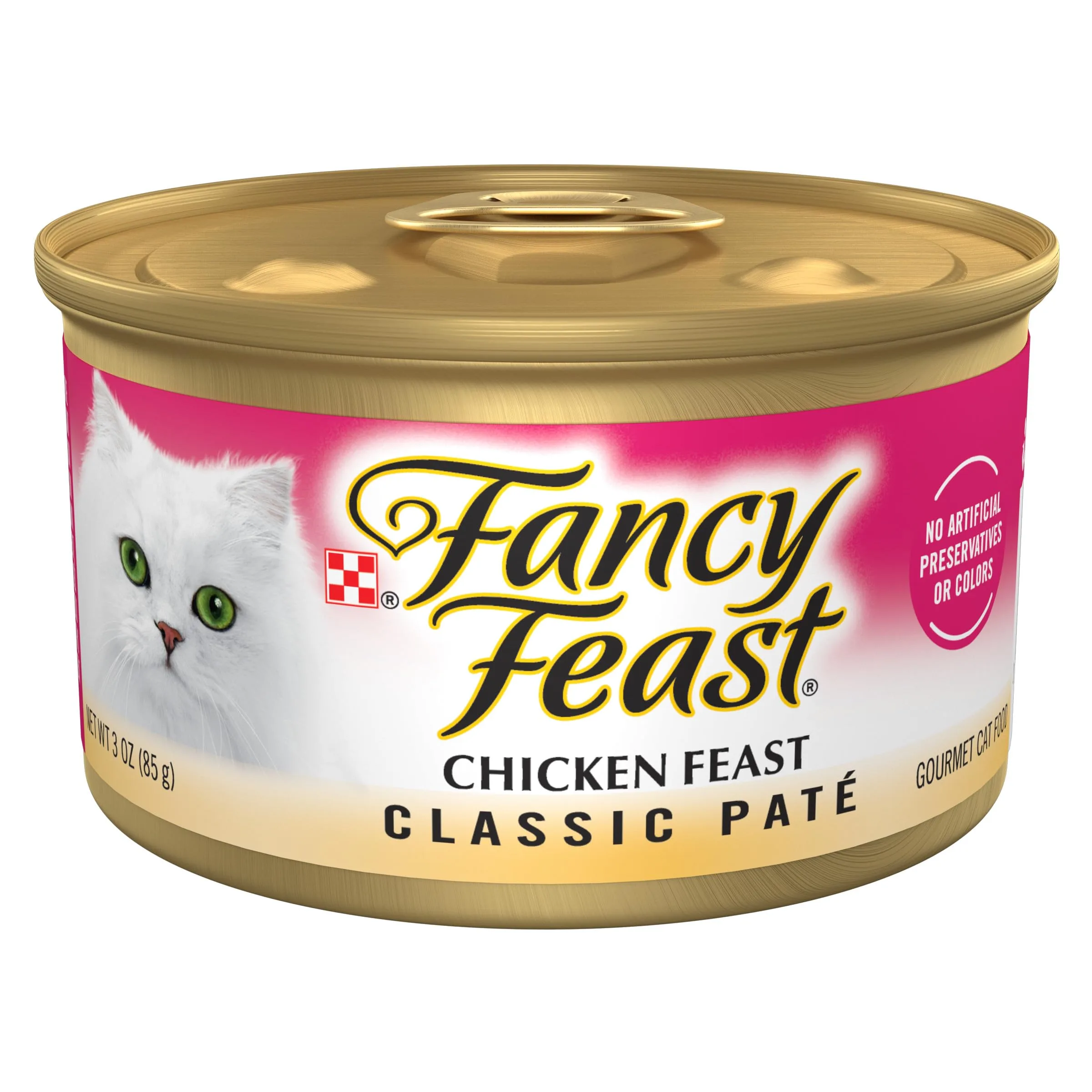
Nutritional Analysis: Decoding the Macronutrient Magic
To understand the Fancy Feast phenomenon, you must first understand feline biology. Cats are obligate carnivores. Their systems are engineered to derive energy and nutrients from animal protein and fat. They have a limited ability to process carbohydrates. Many common health issues in domestic cats—obesity, diabetes, urinary crystals—are exacerbated by high-carbohydrate diets, which are unfortunately the foundation of most dry kibble (needed to create those crunchy pieces).
This is where Fancy Feast Classic Pate, specifically the Classic line (not the Gravy Lovers or Florentine collections), performs its quiet magic. Let’s strip away the brand name and look at the cold, hard numbers and what they mean for your cat’s body.
1. The Low-Carbohydrate Advantage: A Diabetic’s Secret Weapon
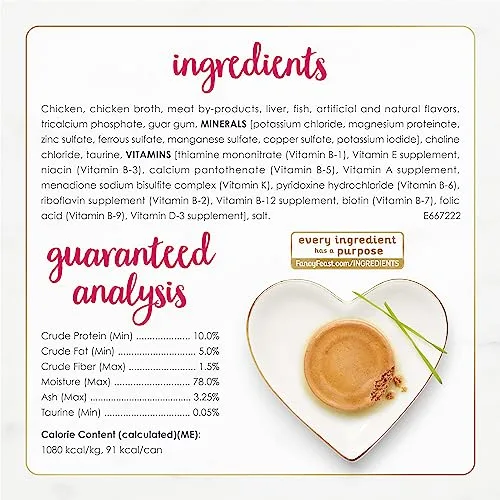
Based on a guaranteed analysis and standard calculations, Fancy Feast Classic Chicken Pate contains approximately 3-5% carbohydrates on a dry matter basis. To put that in perspective, most dry kibbles range from 25% to 50% carbs. Even many “grain-free” dry foods simply replace corn with potatoes or peas, still resulting in high starch content.
Why does this matter so much? Carbohydrates are broken down into sugars. In cats, a constant influx of dietary sugar demands insulin. Over time, this can lead to insulin resistance and Type 2 diabetes. For a cat already diagnosed with diabetes, a low-carb diet is non-negotiable for regulation. This specific macronutrient profile—not the brand name—is why countless vets suggest Fancy Feast Classic Pate to owners of diabetic cats who cannot afford prescription diets. It’s a practical, accessible tool for managing a complex disease.
For non-diabetic cats, this low-carb profile supports healthy weight maintenance. The calories come primarily from protein and fat, which are more satiating and align with their natural metabolic pathways, reducing the likelihood of obesity-driven issues like arthritis and hepatic lipidosis.
2. High Moisture Content: The Unsung Hero of Urinary Health
Cats have a low thirst drive, a legacy of their desert-dwelling ancestors who got most of their water from prey. The Fancy Feast Classic Pate is about 78% moisture. When a cat eats this, they are consuming a significant amount of water with their calories. This is critically important for urinary tract health.
Dilute urine, produced from a high-moisture diet, helps prevent the formation of struvite and calcium oxalate crystals, which can lead to painful, life-threatening blockages—especially in male cats. While feeding any wet food is better than dry food for hydration, Fancy Feast provides this benefit at a price point that makes it sustainable for many households to feed wet food exclusively or as a major portion of the diet. This single factor may do more for long-term feline health than any “superfood” ingredient in a premium brand.
Myth vs. Fact: The “By-Products” Debate
Myth: “Meat by-products” in cat food are harmful fillers like beaks, feathers, and hooves.
Fact: According to AAFCO (Association of American Feed Control Officials) definitions, “by-products” are the non-rendered, clean parts of slaughtered animals other than meat. This includes organs (liver, heart, kidneys, spleen), blood, bone, and yes, sometimes feet and undeveloped eggs. It does not include hair, horns, teeth, or hooves.
The Reality Check: In the wild, a cat eating a mouse or bird consumes the entire animal—muscle meat, organs, bone, and viscera. Organ meats are actually more nutrient-dense than muscle meat. Liver is packed with vitamin A, taurine, and iron. The vagueness (“meat by-products” versus “chicken liver”) is a legitimate concern about quality control and sourcing, but the ingredient category itself is not nutritionally inappropriate for a carnivore. The critique is about transparency and potential variability, not about feeding cats something fundamentally alien to their biology.
Ingredient Breakdown: A Pragmatic Look
✅ The Strengths
- Chicken as First Ingredient: A named animal protein source.
- Poultry Broth: Adds moisture and flavor without thickeners.
- Liver: A natural, nutrient-dense organ meat.
- Taurine Supplement: Absolutely essential for feline heart and eye health; its addition is mandatory and good.
- No Grains or Starchy Fillers: In the Classic Pate line, you won’t find corn, wheat, soy, or rice.
⚠️ The Controversies
- “Meat By-Products”: Vague sourcing, potential for lower-quality parts.
- “Fish” (Generic): Could be any species; a concern for cats with allergies.
- Guar Gum: A common thickener; most cats tolerate it, but it can cause soft stool in sensitive individuals.
- Artificial Flavors: Added for palatability; the “kitty crack” effect partly stems from here.
- Carrageenan: Note: As of my research, Purina removed carrageenan from Fancy Feast formulas several years ago due to consumer concern, but always check current labels.
Hands-On Experience: Six Months with the “Kitty Crack”
Switching my cats, Oliver (16, CKD) and Luna (8, healthy), to Fancy Feast Classic Pate was both an experiment and a necessity. Here’s the unfiltered, long-term report from the trenches of daily feeding.
🐱 Cat Acceptance & Palatability
The “crack” reputation is earned. Both cats, including my chronically picky senior, ate it voraciously from day one. There was no transition period. The pate texture is smooth and easy to lap up, perfect for Oliver’s worn teeth. Warning: This palatability is a double-edged sword. After two months, I tried to reintroduce a higher-quality brand as a supplement. Luna ate it reluctantly; Oliver staged a hunger strike. The addiction to the flavor enhancers is real.
💧 Hydration & Urinary Health
The most noticeable positive change. Both cats’ water bowl consumption decreased significantly because they were getting water from their food. Their litter box output reflected this—urine clumps were larger and less concentrated. For Oliver’s kidney health, maintaining hydration is paramount, and this diet delivered where subcutaneous fluids and water fountains had struggled.
📊 Weight & Body Condition
Luna, who tended to gain weight easily on dry food, stabilized at a perfect score on the body condition scale. The high-protein, low-carb profile seemed to regulate her metabolism better. Oliver maintained his fragile weight, which was a victory in itself. The controlled portions of the 3oz cans made calorie management straightforward.
The Practicalities: Cost, Waste, and Convenience
Cost-Effectiveness: This is Fancy Feast’s superpower. Feeding a 10-pound cat 200 calories daily requires roughly three 3oz cans. At about $0.80-$1.00 per can (buying in bulk), that’s approximately $2.40-$3.00 per day. Compare this to a premium wet food at $2.50-$3.50 per 5.5oz can (needing about 1.5 cans), which runs $3.75-$5.25 daily. The savings are substantial, making a species-appropriate wet food diet accessible.
The Aluminum Mountain: The environmental downside is real. Three cans per cat per day generates a lot of recycling. It feels wasteful compared to larger cans or pouches. I mitigated this by rinsing and crushing cans for recycling, but the volume is unavoidable.
Portion Control: The 3oz size is brilliant for single servings. No refrigerating half-cans that cats later reject because they’re cold and smell different. Each meal is fresh from a new can.
Texture and Sensory Details
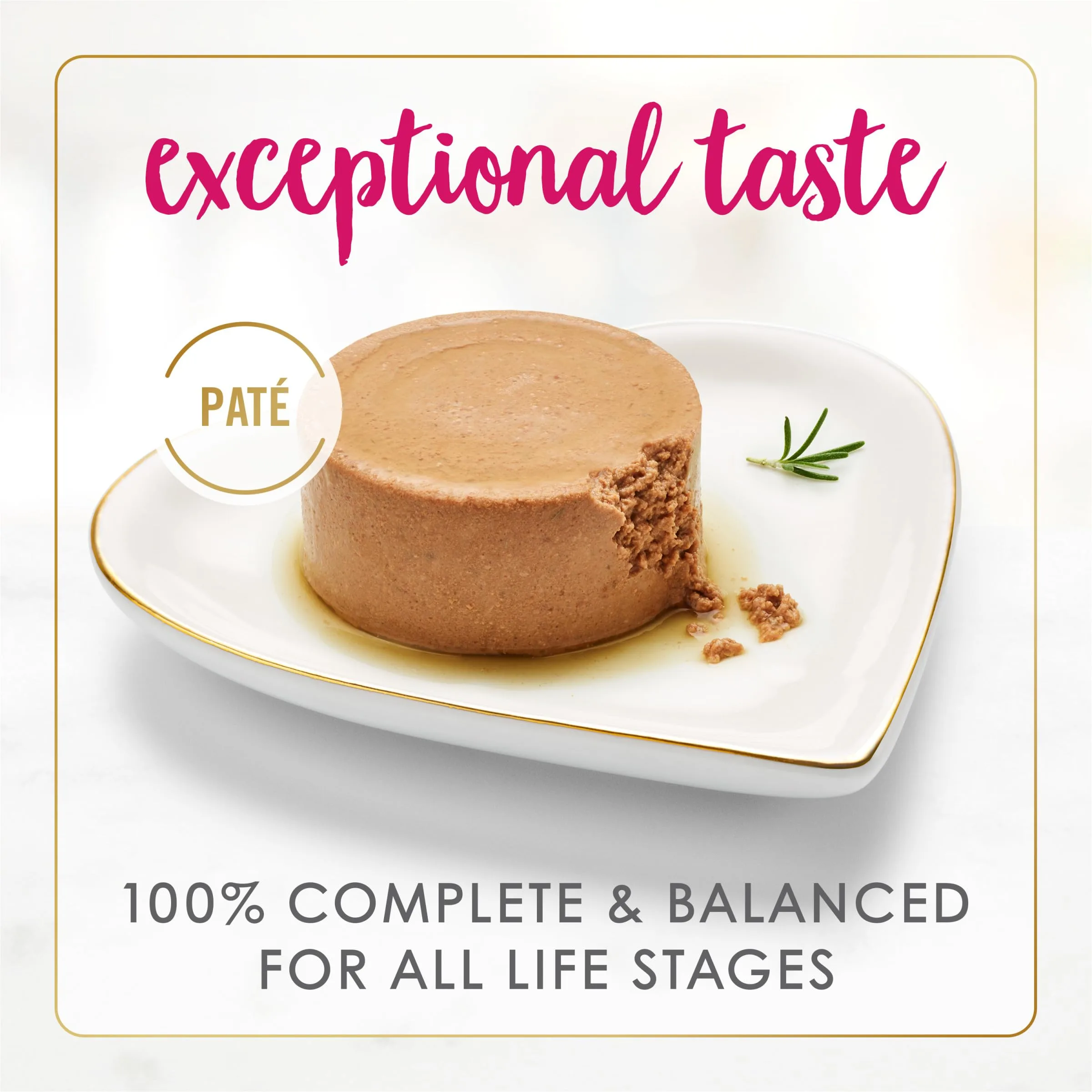
The pate is incredibly smooth, with no visible chunks or shreds. It has a firm consistency that holds its shape when scooped but spreads easily. The smell upon opening is strong and distinct—a processed, savory meat aroma that is not unpleasant but clearly signals “processed pet food” rather than “human food.” There’s no gravy separation, which minimizes mess around the bowl.
Visual Documentation: From Can to Bowl
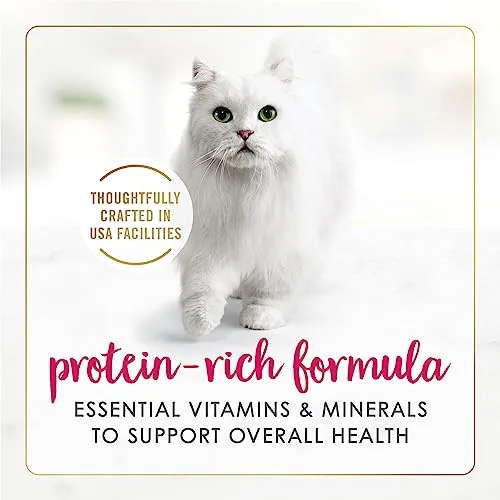
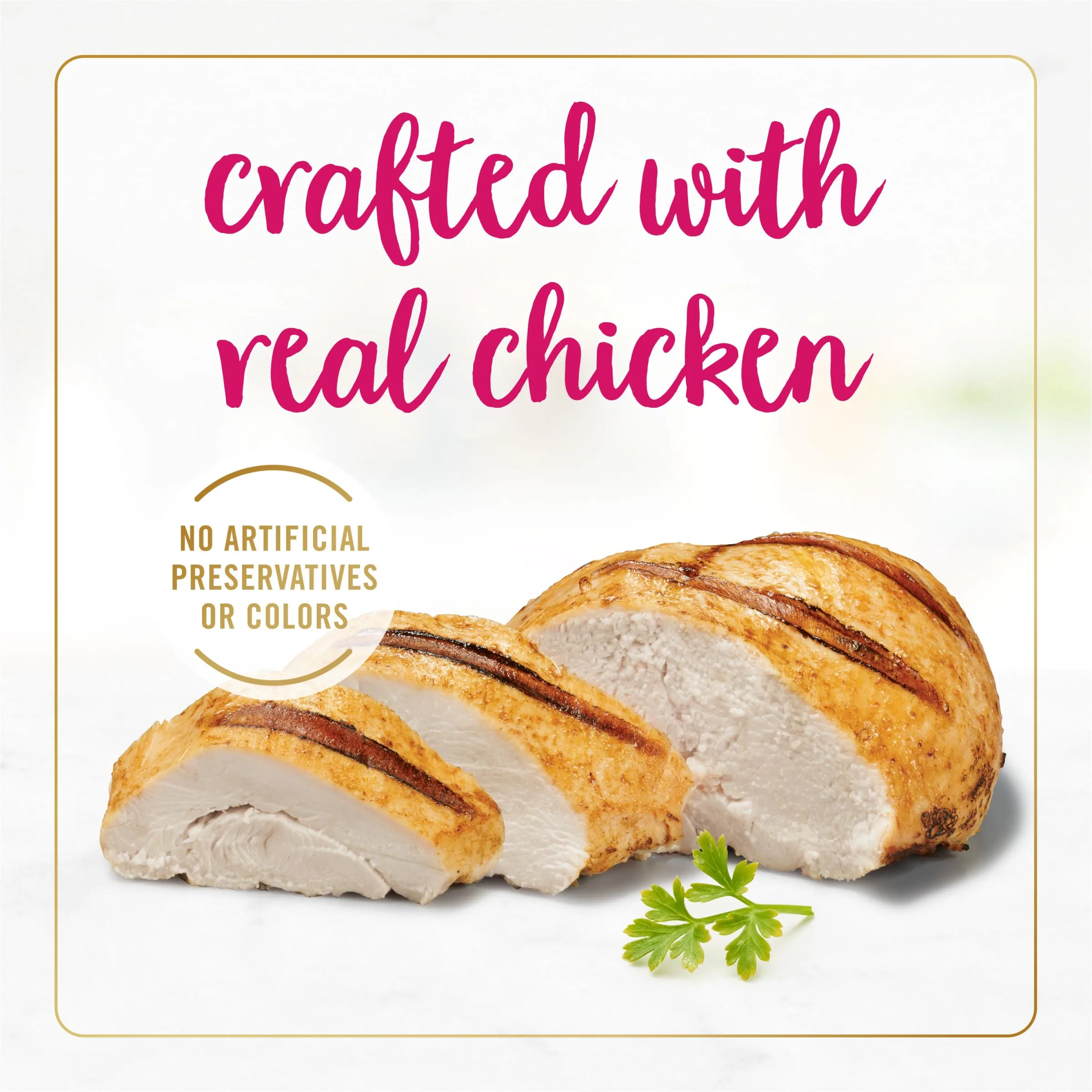
Pros & Cons: The Unvarnished Balance Sheet
| ✅ Demonstrated Benefits & Advantages | ❌ Legitimate Concerns & Drawbacks |
|---|---|
| Exceptional Macronutrient Profile: High protein, moderate fat, and very low carbohydrates align perfectly with feline obligate carnivore physiology. | Vague, Low-Quality Ingredients: “Meat by-products” and generic “fish” lack transparency and likely use less desirable animal parts. |
| Superior Hydration: High moisture content promotes urinary tract health and supports kidney function, crucial for preventing common feline diseases. | Artificial Additives: The inclusion of artificial flavors creates extreme palatability that can make cats reject other, healthier foods. |
| Remarkable Affordability: Makes a wet food diet—the gold standard for feline health—financially viable for average households and multi-cat homes. | Environmental Impact: Small 3oz cans generate significant aluminum waste compared to larger packaging options. |
| Unmatched Palatability: Effective for enticing sick, elderly, or picky eaters to consume adequate calories when it matters most. | Potential for Sensitivities: Guar gum and other additives can cause digestive upset (soft stool, gas) in some sensitive cats. |
| Ideal Texture for Seniors: The smooth pate requires no chewing, making it perfect for cats with dental disease, missing teeth, or oral pain. | Corporate Sourcing Practices: As a Nestlé/Purina product, ethical concerns about corporate practices and ingredient sourcing may deter some owners. |
| Wide Availability: Can be purchased virtually anywhere, providing consistency and eliminating supply chain anxiety. | Nutritional Completeness for All Life Stages? While AAFCO-approved, some debate exists if it’s optimal for kittens, pregnancy, or lactation compared to more nutrient-dense options. |
Market Position: Where Fancy Feast Classic Fits
| Criteria | Fancy Feast Classic Pate | Friskies Pate (Budget) | Blue Buffalo Wilderness (Mid-Premium) | Tiki Cat After Dark (High-End) |
|---|---|---|---|---|
| Price per Ounce | ~$0.27 – $0.33 | ~$0.20 – $0.25 | ~$0.45 – $0.55 | ~$0.70 – $0.90 |
| Primary Protein | Chicken + By-Products | By-Products + Meat Meal | Deboned Chicken | Shredded Chicken, Chicken Liver, Heart |
| Carb % (Dry Matter) | 3-5% (Excellent) | 10-15% (Moderate) | 5-10% (Good) | 0-3% (Excellent) |
| Moisture Content | 78% (High) | 78% (High) | 78% (High) | 78% (High) |
| Thickeners/Gums | Guar Gum | Wheat Gluten, Carrageenan* | Carrageenan*, Guar Gum | None (Broth-based) |
| Palatability | Extremely High | High | Moderate-High | Moderate (Depends on cat) |
| Best For | Budget-conscious health, diabetes, picky seniors | Absolute budget minimum, colony feeding | Owners wanting named meats without top-tier cost | Ingredient purists, cats needing novel proteins |
*Note: Many brands have reformulated to remove carrageenan; always check current labels.
The Feeding Journey in Pictures
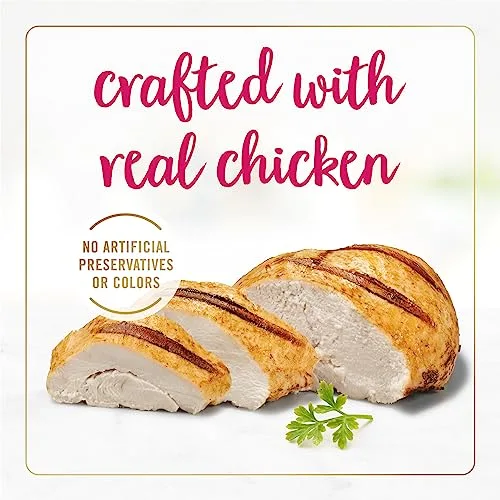
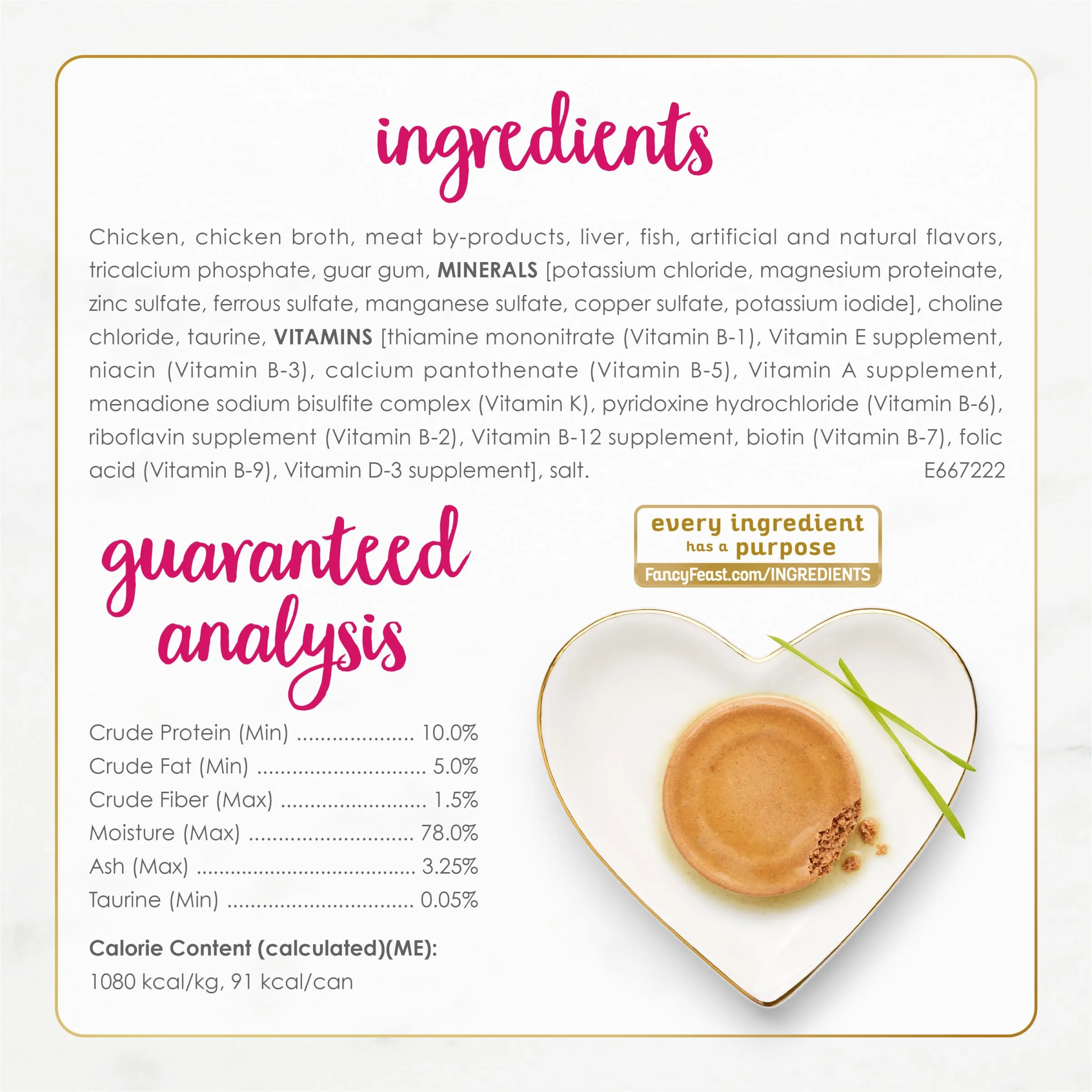
Final Verdict: A Pragmatist’s Powerhouse, Not a Purist’s Paradise
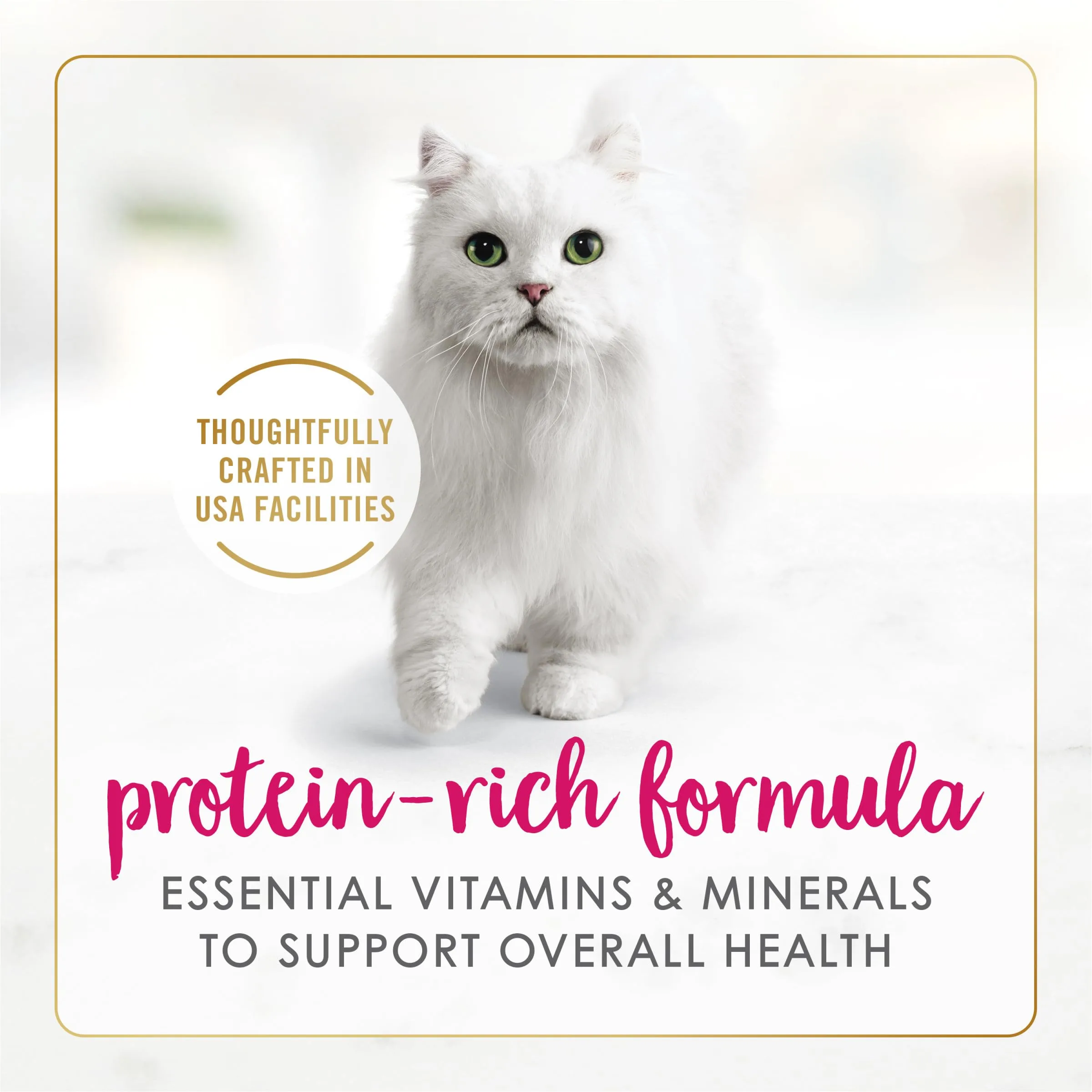
After six months of feeding, vet check-ups (with positive results), and daily observation, my conclusion is nuanced. Fancy Feast Classic Chicken Pate is not the “best” cat food in an absolute, ingredient-purity sense. It will never win awards for ethical sourcing or culinary appeal. But “best” is a contextual term. In the context of real-world constraints—budget, picky eaters, specific health needs, and accessibility—it can be the “best choice” for many cat owners.
This product succeeds not by being flawless, but by excelling at the things that matter most for baseline feline health: delivering high animal protein, very low carbohydrates, and high moisture at an unbeatable price. It bridges the gap between idealistic nutrition and practical reality.
You should seriously consider Fancy Feast Classic Pate if:
- Your cat has diabetes or is overweight. The low-carb profile is therapeutic and more important than organic ingredients.
- Budget limits your options. It allows you to feed a wet food diet, which is categorically healthier than dry, without financial strain.
- You have a senior or toothless cat. The texture is perfect for easy consumption.
- Your cat is a picky eater or recovering from illness. Its palatability can be a lifesaver when getting calories in is the priority.
- You want to prevent urinary issues. The moisture content is a powerful prophylactic tool.
You may want to invest in a different brand if:
- Ingredient transparency and sourcing are non-negotiable values for you. You’ll sleep better paying more for named organs and certified meats.
- Your cat has known food sensitivities or a very delicate stomach that reacts poorly to gums or unspecified protein sources.
- Environmental impact is a primary concern and you want to minimize packaging waste.
- You’re feeding a kitten, pregnant queen, or a cat with extremely high energy needs, where maximum nutrient density per bite is critical.
- You have the financial means and a cat willing to eat a premium brand that offers both excellent macros and superior ingredients.
For my household, Fancy Feast Classic Pate has become a staple. It’s the reliable foundation of Oliver and Luna’s diet. It keeps Oliver hydrated and eating, and it keeps Luna at a healthy weight. I supplement with the occasional higher-quality can for variety and peace of mind. This approach feels balanced, sustainable, and, most importantly, it’s working for my cats’ health.
In the end, the cult of Fancy Feast isn’t about blind brand loyalty. It’s about pragmatism. It’s the recognition that in the messy equation of pet care—where health, economics, pickiness, and convenience all intersect—this humble, controversial can often solves for more variables than its fancy counterparts.
Comprehensive FAQ: Answering the Tough Questions
Q: Is Fancy Feast Classic Pate truly “grain-free”?
A: Yes, the Classic Pate line is grain-free. However, it’s crucial to distinguish between lines. The “Classic” line contains no grains. The “Gravy Lovers,” “Florentine,” and “Medleys” lines often contain wheat gluten, soy, or corn starch as thickeners. Always check the label of the specific product. If the goal is low carbohydrates, stick strictly to “Classic Pate.”
Q: How many cans should I feed my cat per day?
A: This depends entirely on your cat’s weight, age, and activity level. A general starting point is that an average 10-pound indoor cat needs about 180-200 calories daily. One 3oz can of Fancy Feast Classic Pate contains roughly 70-90 calories (check the label, as it varies by protein). You’d likely need 2-3 cans daily. Always calculate based on your cat’s specific caloric needs, preferably with your vet’s guidance. Overfeeding, even with wet food, leads to obesity.
Q: Can I mix Fancy Feast with dry food?
A: You can, but it dilutes the benefits. If you mix a low-carb wet food with a high-carb dry food, you end up with a moderate-carb meal. The dry food also encourages them to eat less of the hydrating wet food. If you must use dry food, consider it a treat or puzzle feeder supplement, not a main meal component. A better mix is Fancy Feast with a higher-quality wet food to boost overall ingredient quality.
Q> My cat has kidney disease. Is this okay to feed?
A: Many vets recommend it for CKD cats specifically because of its high moisture content and palatability. However, CKD cats often need restricted phosphorus. Fancy Feast is not a prescription low-phosphorus diet. For early-stage CKD, it can be suitable, but for advanced cases, a renal diet (like Purina’s own NF brand) is necessary. Never change a CKD cat’s diet without explicit veterinary approval. My vet approved it for Oliver’s early-stage CKD with monitoring.
Q: Are there any flavors/varieties within Classic Pate to avoid?
A: For the strictest low-carb approach, stick to the poultry and beef flavors. Some of the “seafood” Classic Pates (like Ocean Whitefish & Tuna) may have slightly higher carb counts. Also, be aware that some cats develop allergies or sensitivities to fish over time. Rotating proteins (chicken, turkey, beef) is generally a safer long-term strategy than feeding fish daily.
Q: What about recalls? Is Purina/Fancy Feast safe?
A: Purina, like every major pet food company, has had recalls in its history. They have extensive quality control systems, but no system is perfect. The advantage of a giant corporation is they have the resources for large-scale testing and rapid response. The disadvantage is that when a problem occurs, it’s widespread. Stay informed by checking the FDA’s pet food recall website periodically. Many vets argue that the consistent macronutrient formulation of large brands is actually safer than frequent formulation changes in smaller boutiques.
Q: Can I use this for a cat with allergies?
A: Caution is needed. The “generic fish” and “meat by-products” could be anything. If your cat has a diagnosed allergy to, say, chicken, the “Chicken Feast” is obviously out. But even the “Beef Feast” could contain chicken by-products. For cats with known protein allergies, you need a food with a limited ingredient diet (LID) and a novel single protein source (like rabbit, duck, or venison) that is explicitly named. Fancy Feast does not offer this.
Q: Is there a difference between the cans sold at the dollar store vs. the supermarket?
A: Purina states the formula is identical. However, there is anecdotal concern from some pet owners that cans in discount stores might be older stock or from a different production run. The ingredients and guaranteed analysis on the label should be the same. If a can is severely dented, rusted, or swollen, do not feed it regardless of where it was purchased.
Disclaimer: I am a passionate pet owner, not a veterinarian or animal nutritionist. The information in this article is based on extensive personal experience, consultation with my veterinarian, and research into feline nutritional science. Cat food formulations can change, and individual cat needs vary dramatically. Always consult your veterinarian before making any significant changes to your cat’s diet, especially if they have underlying health conditions like diabetes, kidney disease, or allergies. This review is intended to provide perspective and information, not specific medical or dietary advice for your pet.