Admin welovepetz
Looking for expert pet advice? WeLovePetz is here to help you.
The “Scoop-Free” Promise: Innovation or Messy Gimmick?
The worst part of owning a cat isn’t the shedding or the 3 AM zoomies—it’s the scooping. Cat owners are constantly looking for a way out of this chore. On one end of the spectrum, you have $600 robots that do it for you. On the other, you have the plastic hand scoop.
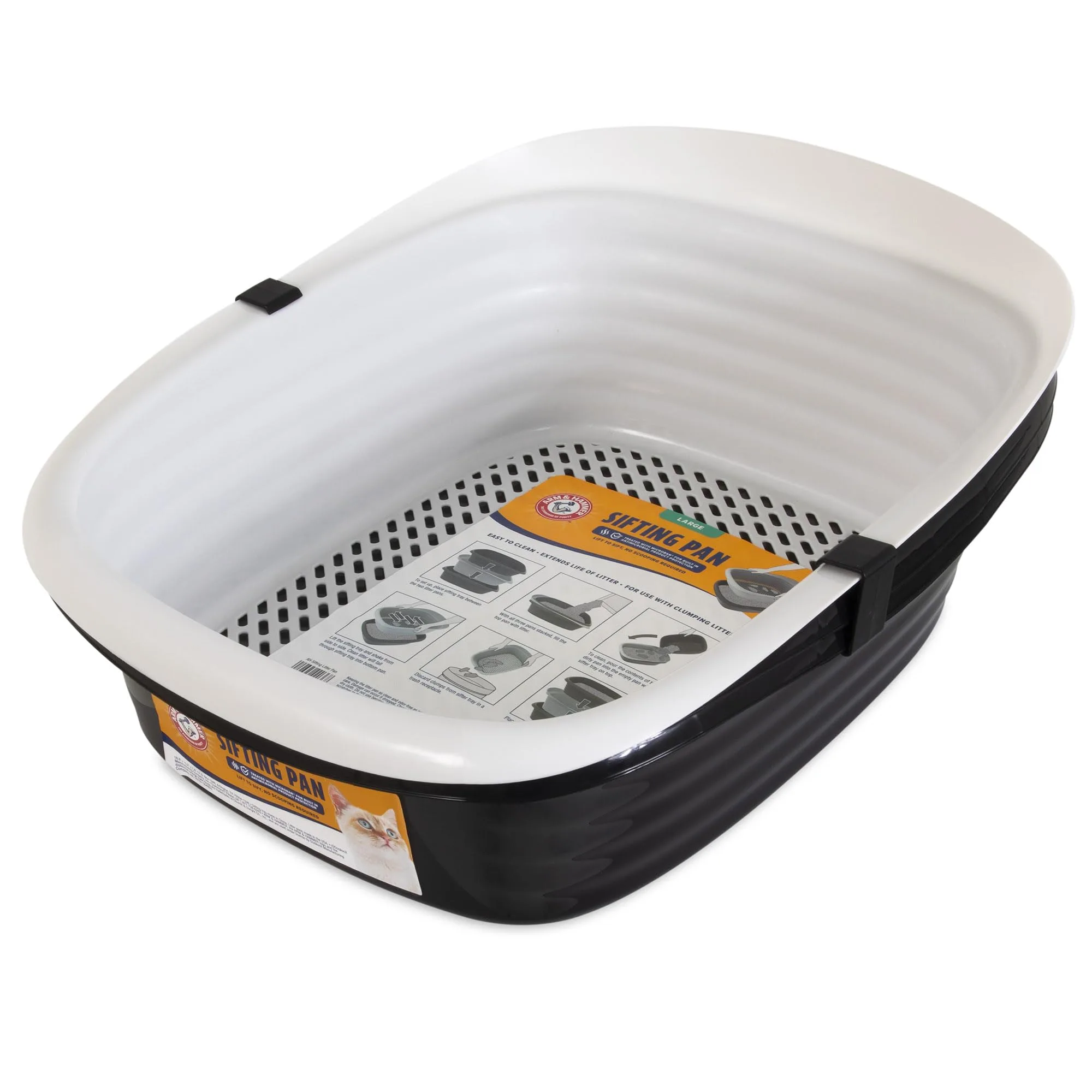
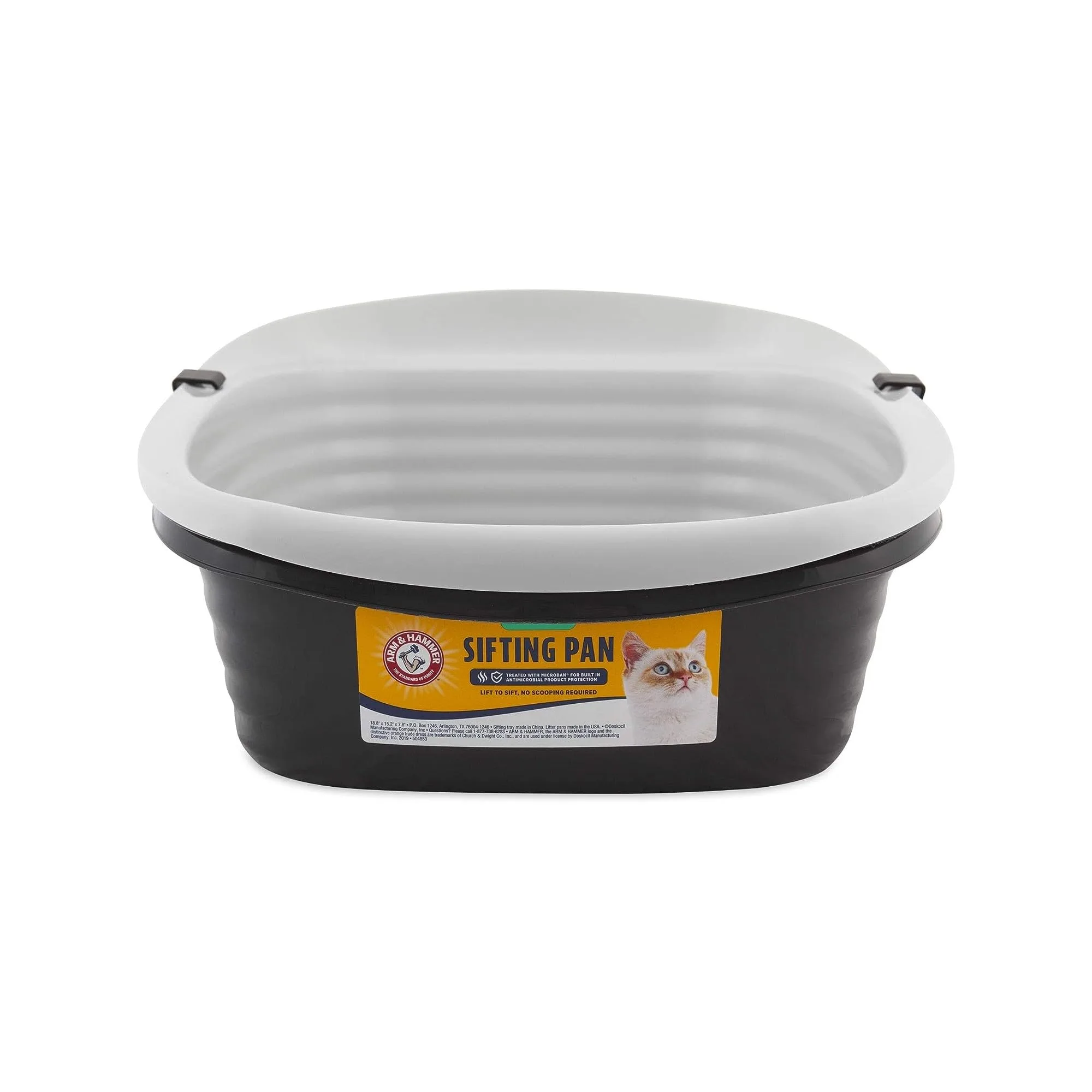
The Arm & Hammer Large Sifting Litter Box attempts to bridge this gap with a low-tech, mechanical solution. It utilizes a 3-tray system (two solid pans and one sifter) to separate waste from clean litter in seconds. It sounds perfect on paper: lift, sift, and toss.
But does gravity actually do the work, or does wet litter just glue itself to the sifting grid, creating a cleaning nightmare? We analyzed the mechanics, the material quality, and the best use cases (hint: it’s the secret weapon for pine pellet users) for this budget-friendly system.
Design and Mechanics Analysis
This isn’t just a plastic tub; it’s a workflow system. Here is a breakdown of the features that differentiate it from a standard dollar-store pan.
1. The 3-Tray Rotation System
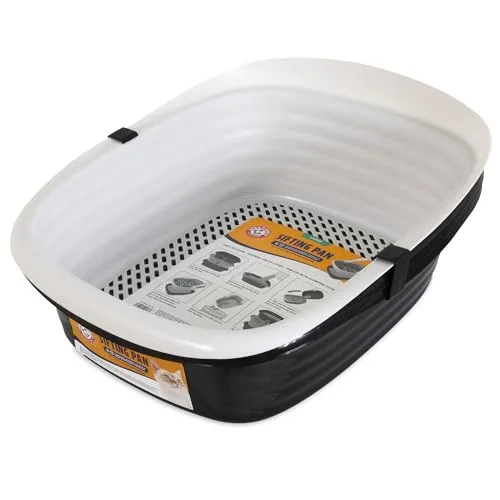
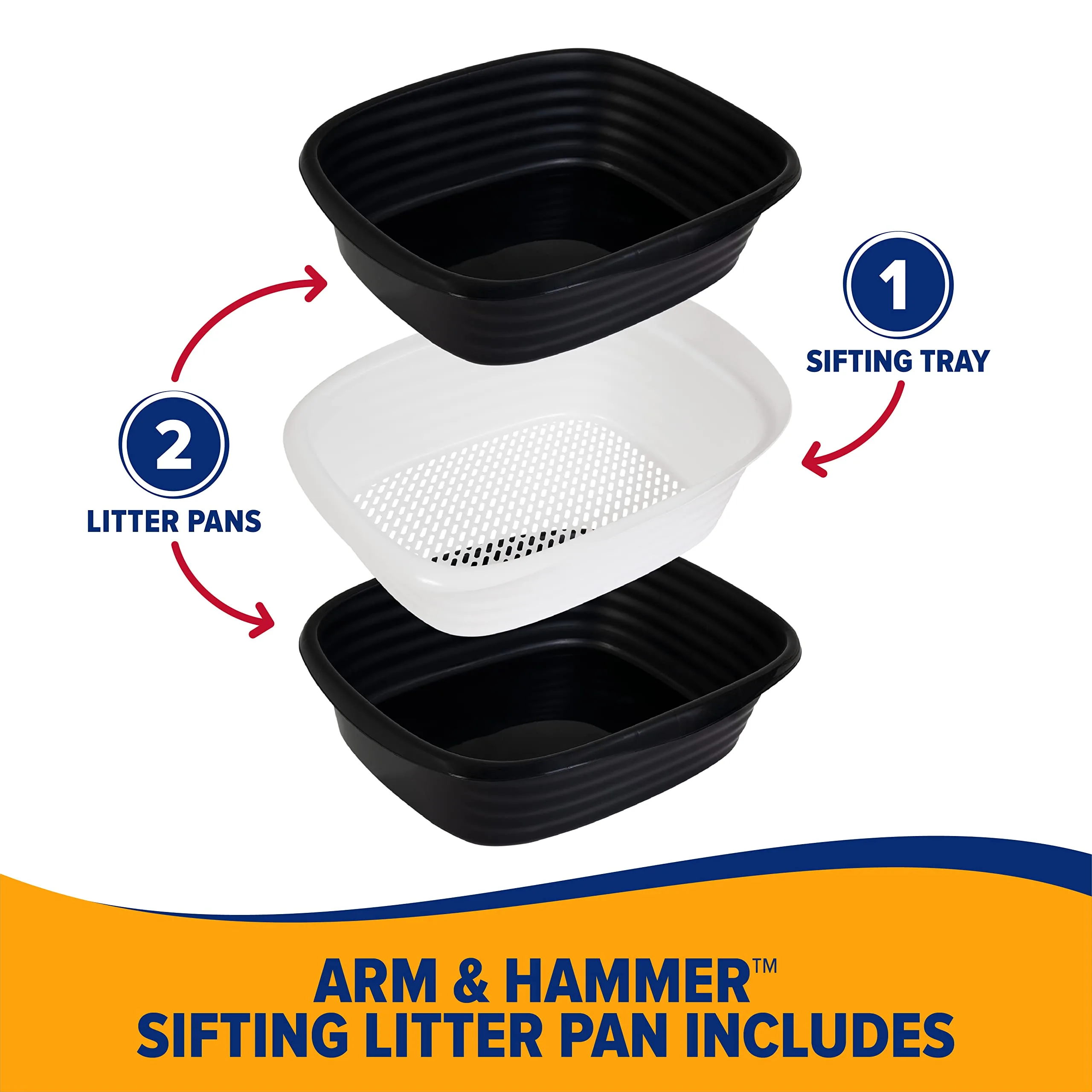
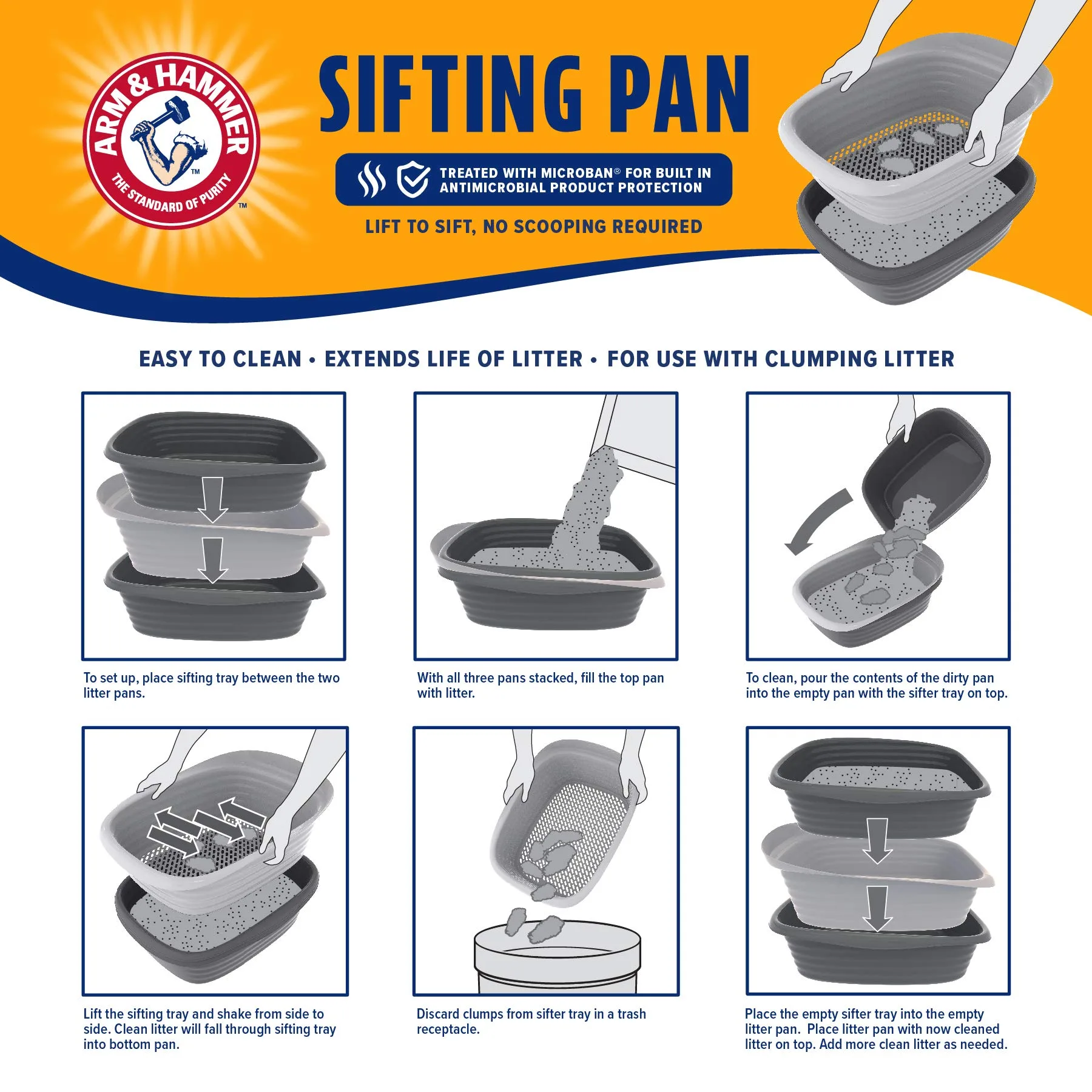
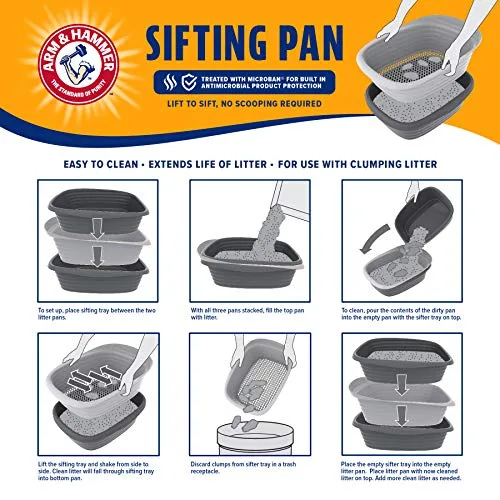
The unit comes with three parts: two solid bottom pans and one sifting pan with holes. The setup is simple: you stack the sifter inside a solid pan, then put the second solid pan underneath for storage (or rotation).
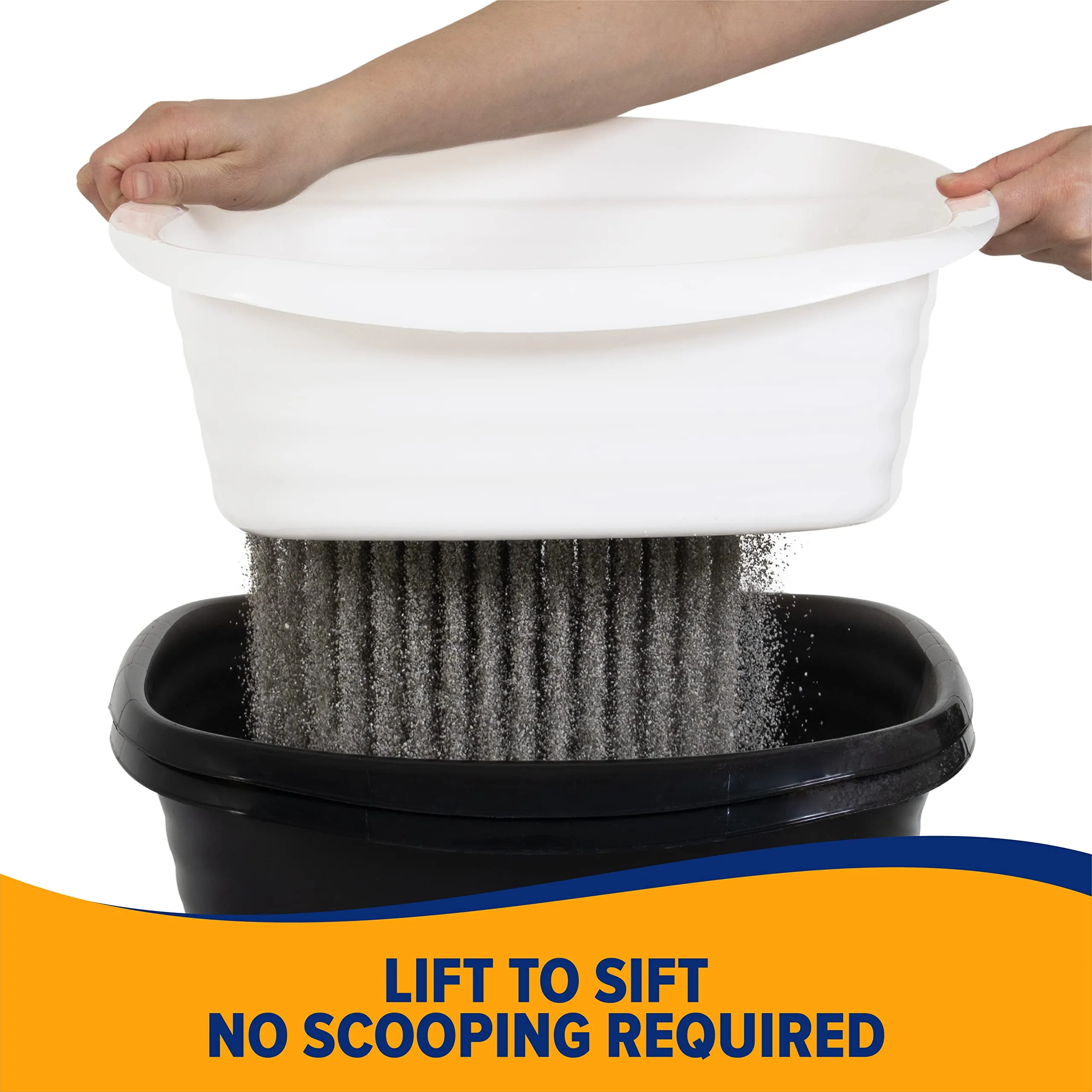
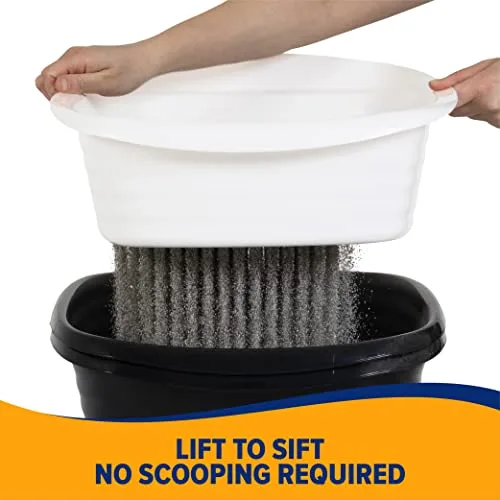
When it’s time to clean, you lift the sifter. Clean litter falls through to the solid pan below, while clumps stay in the net. You dump the waste, then place the empty sifter into the other solid pan and pour the clean litter back on top. It eliminates the “hunting for treasure” aspect of scooping.
2. Microban Antimicrobial Protection
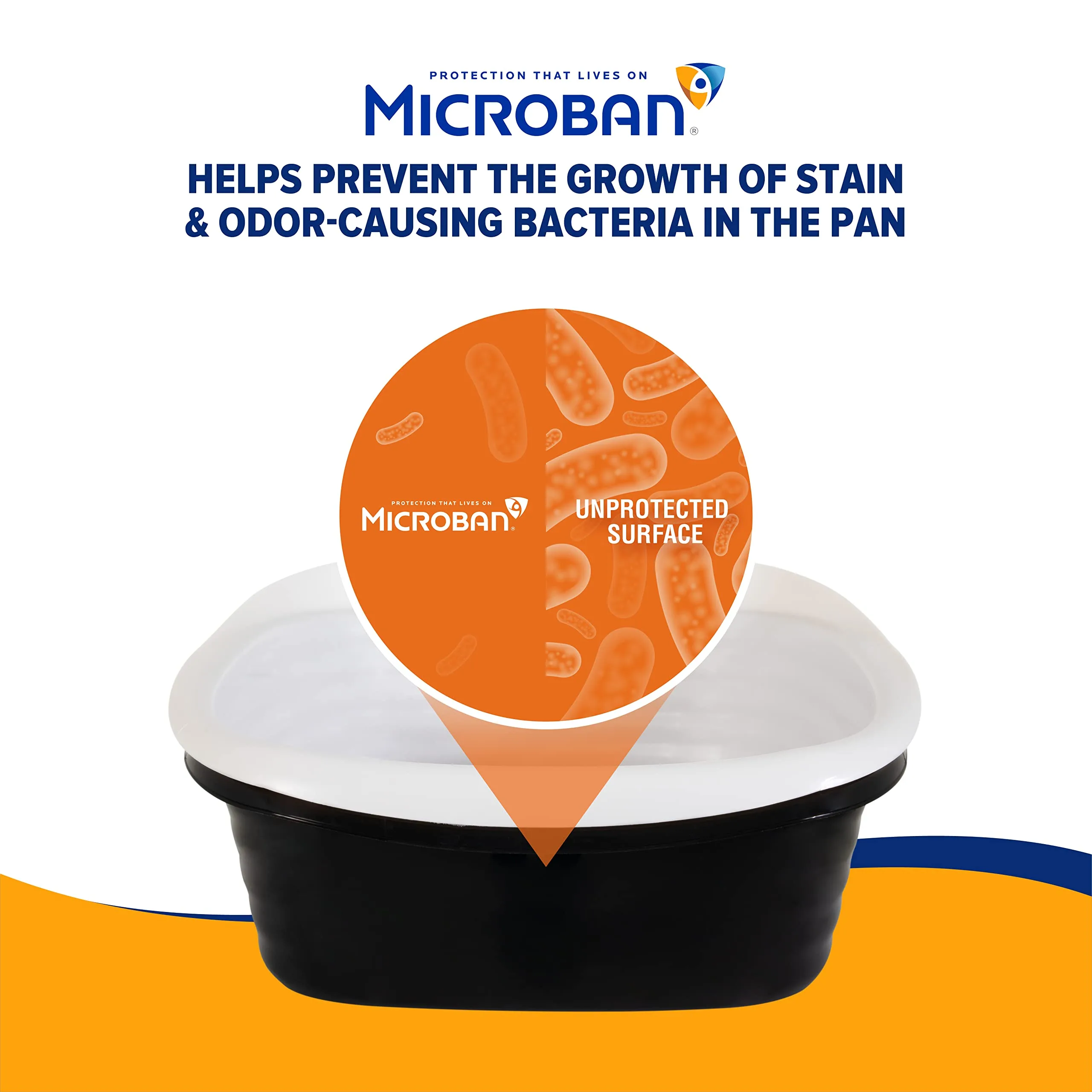
Plastic is porous. Over time, cat urine penetrates these scratches and pores, creating a lingering ammonia smell that no amount of washing can remove. Arm & Hammer has impregnated the plastic with Microban, an antimicrobial agent. This inhibits the growth of stain and odor-causing bacteria. While it won’t make the box smell like roses forever, it significantly extends the lifespan of the tray before it becomes too gross to keep.
3. The Material Build
Made in the USA from recycled materials, the plastic feels thicker and more rigid than standard pans. The reinforced rim is crucial because when you lift the sifter full of litter, it can be heavy. A flimsy pan would buckle; this one holds its shape.
Hands-On Experience: Clumping vs. Pine Pellets
This product performs very differently depending on what type of litter you use. It is essentially two different products based on your choice of substrate.
Scenario A: Using Clumping Clay Litter
If you use standard clay, the system works, but with caveats.
The Dust Issue: Lifting a sifter full of dusty clay creates a mushroom cloud. You need to lift slowly to minimize this.
The Sticky Issue: If your cat urinates deeply or has loose stool, the clumps can stick to the grid. Cleaning wet clay out of a plastic grid is arguably more annoying than scooping. However, for firm clumps, it is incredibly fast.
Scenario B: The “Pine Pellet” Hack (Highly Recommended)
This is where the Arm & Hammer box achieves legendary status. Many cat owners use wood pine pellets (like Feline Pine or tractor supply horse bedding) because they are cheap and eco-friendly.
With pine pellets, urine turns the wood into sawdust. By putting the sifter on top, you shake the box, and the dirty sawdust falls through to the bottom tray, leaving clean pellets on top. You then empty the bottom tray of dust. This box is widely considered the best budget system for pine litter users on the market.
Size and Ergonomics
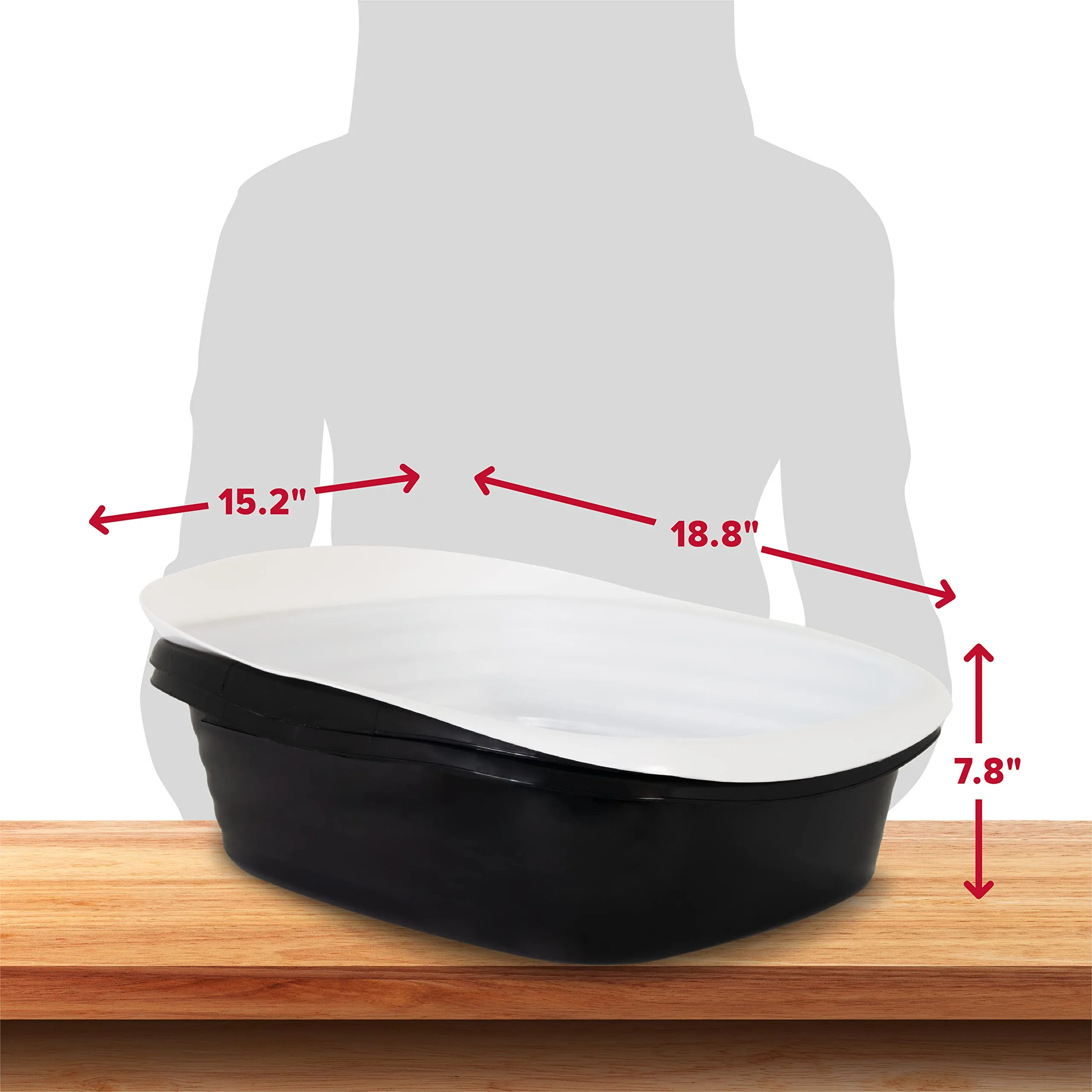
The box is labeled “Large,” measuring roughly 19 x 15 inches.
– Good for: Kittens, average domestic cats (10-12 lbs).
– Bad for: Maine Coons, large Ragdolls, or cats that like to dig to China. The sides are relatively low compared to high-sided boxes, so aggressive diggers might kick litter over the edge.
Detail Gallery
Pros & Cons
| ✅ The Good | ❌ The Bad |
|---|---|
| Pine Pellet King: The absolute best manual system for separating sawdust from wood pellets. | Clay Dust: Sifting standard clay litter releases a lot of dust into the air compared to gentle scooping. |
| Durability: Reinforced bottom and Microban coating make it last longer than cheap pans. | Grid Clogs: Wet, sticky clay clumps can get stuck in the sifter holes, requiring scrubbing. |
| Value: For around $20, you get three heavy-duty trays. It’s excellent value for money. | Low Sides: Not ideal for “elevator butt” cats (high pee-ers) or aggressive kickers; litter may spill out. |
| Speed: Cleans the entire box in about 30 seconds once you get the rhythm down. | Weight: Lifting the sifter when full of heavy clay litter can be a strain for people with weak wrists/backs. |
How It Compares
| Feature | Arm & Hammer Sifting Pan (This Review) | Standard Pan + Scoop | Automatic Robot Box |
|---|---|---|---|
| Cleaning Method | 🤲 Manual Sift (Gravity) | 🥄 Hand Scoop | 🤖 Motorized Rotation |
| Effort Level | ⚡ Low (Lift & Dump) | 😓 Medium (Digging) | 💤 Zero (Automated) |
| Price | 💰 Budget (~$20) | 💰 Very Cheap (~$10) | 💰💰💰 Expensive ($500+) |
| Best Litter Type | 🌲 Pine Pellets / Crystal | 🧱 Clumping Clay | 🧱 Clumping Clay Only |
| Maintenance | 🚿 Wash trays monthly | 🚿 Wash pan monthly | 🔧 Complex disassembly |
Final Verdict: A Specific Tool for a Specific Job
The Arm & Hammer Large Sifting Litter Box is a polarizing product. If you buy it expecting it to magically handle sticky, wet clay litter without any effort, you might be disappointed by the dust and the weight.
However, if you are a Pine Pellet user, this is arguably the best product on the market. It turns the tedious task of separating sawdust from pellets into a 10-second job. For the price, the build quality and Microban protection make it a steal.
Who is this for?
- Pine Pellet Converts: The sifting mechanism is perfect for wood litter systems.
- Budget Shoppers: Get the convenience of “semi-automatic” cleaning without the robot price tag.
- Crystal Litter Users: Also works well for silica gel litters where you need to stir/mix frequently.
Who should skip it?
- Those with Back Issues: Lifting a full tray of clay litter is heavy.
- Giant Cat Owners: The dimensions are a bit tight for large breeds.
- Dust Haters: Sifting clay generates a dust cloud that asthmatics should avoid.