Jessica

At WeLovePetz, we are dedicated to providing you with the best pet care tips.
The Great Food Switch: A Year with Hill’s Science Diet for My Old Friend
You notice the changes in small, heartbreaking increments. First, it was the slower rise from his bed in the morning. Then, the slight stiffness in his hips after our evening walk. The once-glossy black coat on my Labrador mix, Charlie, began to show threads of silver around his muzzle and eyes. He was eleven. Still my puppy in spirit, but his body was starting to tell a different story.
The biggest change, though, was in his eating. For years, Charlie had inhaled his food with the gusto of a starving bear. Suddenly, he’d approach his bowl, take a few half-hearted bites, and wander away. Sometimes he’d come back later; sometimes he wouldn’t. His breath developed a faint, metallic smell that worried me. The vet confirmed what I feared: “He’s a senior now. His needs are different. What worked at five won’t work at eleven.” She mentioned something about kidney support, balanced minerals, and “senior-specific formulas.”
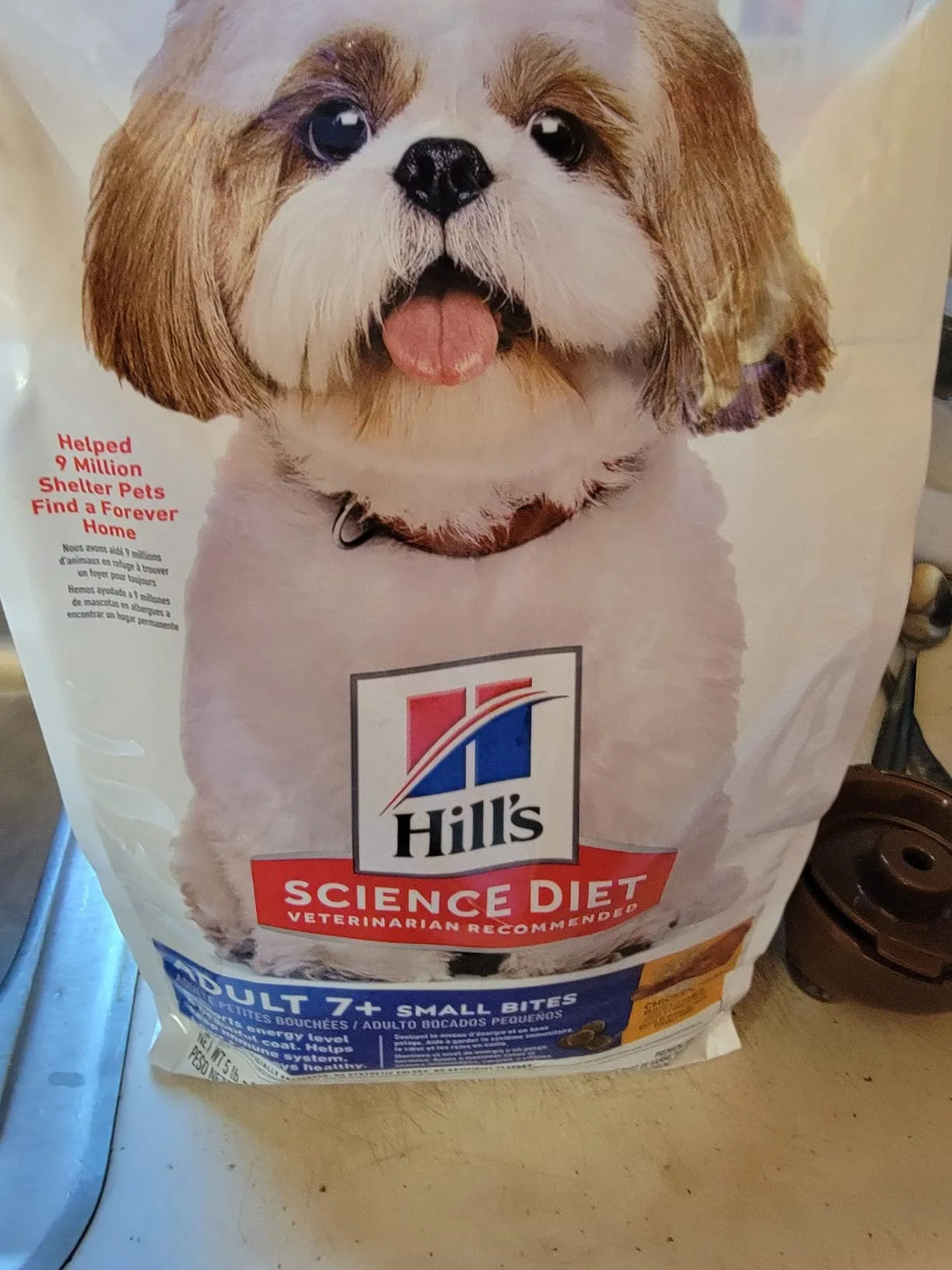
That’s how I found myself standing in the pet food aisle, completely overwhelmed. Dozens of bags with smiling senior dogs stared back at me. Words like “vitality,” “mobility,” and “science” were everywhere. And then I saw the familiar blue bag: Hill’s Science Diet Adult 7+ Chicken, Brown Rice & Barley. I’d heard the name for years—”the vet food.” It was expensive. It had grains, which I’d been told were bad. But my vet had mentioned it. With a deep sigh and a hopeful heart, I hauled the 15-pound bag into my cart. This is what happened next.
If you’re in the same overwhelmed spot I was…
Check Price & Reviews on Amazon(This is an affiliate link. I bought my bag at the pet store, but this is where I’d look now.)
Transitioning food with a senior dog is nerve-wracking. I did the slow mix over 10 days, terrified of upsetting his already-sensitive stomach. For the first three days, he picked around the new, smaller kibble to eat the old stuff. I almost gave up. Then, on day four, he ate the whole bowl. No drama. No gas. It was the first small victory.
The Three-Month Mark: What Actually Changed
I wasn’t expecting miracles. I just wanted him to be comfortable. But after about twelve weeks, I started noticing subtle, meaningful shifts.
1. The Return of the “Food Motivated” Dog
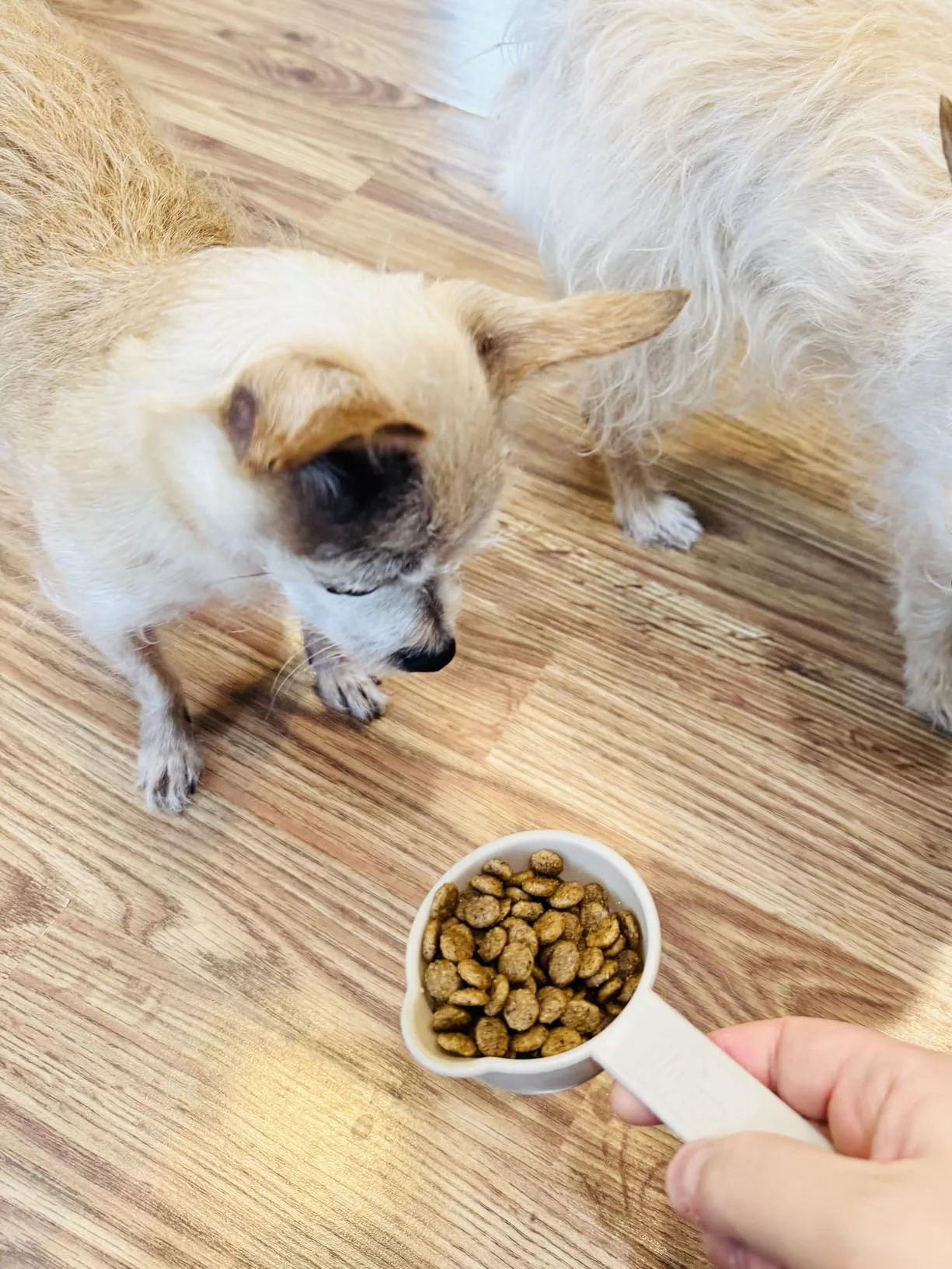
This was the most immediate and emotional change. Charlie started waiting by his bowl again at 5 PM. He’d finish his meals. Not with the frantic vacuum speed of his youth, but with steady, consistent eating. The vet said the high digestibility of the ingredients (that chicken and brown rice combo) meant his older gut wasn’t working as hard to break it down, so he actually felt hungry and energized by the food, not bogged down by it. Seeing his interest in food return felt like getting a piece of my old dog back.
2. The Coat & Skin Transformation (The Visible Sign)
Around month two, my partner said, “Has Charlie always been this soft?” I hadn’t noticed the gradual change. His coat, which had gotten a bit dull and coarse, regained a noticeable softness and shine. The dandruff flakes that used to dust his favorite sleeping spot disappeared. I’d read about the Omega-6s and Vitamin E on the bag, but honestly thought it was marketing. It wasn’t. This was a visible, tangible improvement. He just looked… healthier.
3. The “Steady Eddie” Energy
Charlie didn’t suddenly start fetching for an hour. But the lethargy lifted. His energy became consistent. He’d do his morning perimeter check of the yard with purpose, enjoy a 20-minute walk without lagging behind, and then settle contentedly. No more midday crashes where he seemed utterly drained. I attribute this to the balanced, complex carbs providing steady fuel, not sugar spikes. It was the energy of well-being, not hyperactivity.
4. The Big One: The Bloodwork
At his annual check-up, six months into the food, we did senior bloodwork. I held my breath. The vet came back with a smile. “Kidney and liver values are beautiful. Perfectly within range for a dog his age.” She specifically pointed out the phosphorus and sodium levels being ideal. This was the silent, internal benefit I couldn’t see. The “balanced minerals” claim on the bag wasn’t just words; it was potentially helping preserve the function of his most vital organs. That peace of mind was worth every penny.
The Honest Breakdown: What Worked & What Worried Me
After a year, here’s my completely subjective, experience-based pros and cons list.
The Wins (Why I Keep Buying the Blue Bag)
- The Small Kibble is a Game-Changer: Charlie has a few worn teeth. The tiny, easy-to-chew pieces mean he doesn’t have to work hard to eat. He doesn’t choke or gag. This single feature is probably why he took to it so well.
- Digestive Peace: Zero vomiting. Firm, healthy stools. For a senior dog, this is huge. It means his body is actually using the food, not fighting it.
- Visible External Health: The coat shine and skin health are real. People comment on how good he looks for his age.
- Vet Confidence: When I tell my vet what he’s eating, she nods in approval. That endorsement removes a layer of anxiety for me.
- Consistency: Every bag smells the same, looks the same. There’s no weird, greasy residue or bizarrely colored kibble. It feels like a reliable product.
The Considerations (The Stuff I Researched & Worried About)
- The Price Sting: Let’s be real. It costs significantly more than the grocery store brand I used to buy. I’ve had to adjust my budget, but I view it as a non-negotiable healthcare expense now.
- The Grain Debate: I fell down an internet rabbit hole about grains being inflammatory. My vet cut through the noise: “For the vast majority of dogs, high-quality grains like brown rice are an excellent, digestible energy source. Unless your dog has a diagnosed grain allergy, don’t fear them.” Charlie’s response proved her right.
- Chicken as the Main Protein: I was paranoid because I’d heard chicken is a common allergen. I watched him like a hawk for itching or ear infections. Nothing happened. But if your dog has a known chicken issue, this isn’t the formula for you.
- It’s Not a Magic “Mobility” Food: It helped his overall energy, but it didn’t fix his stiff hips. We added a joint supplement separately for that. This food supports overall systemic health, but it’s not a targeted pain reliever.
Your Questions (Probably The Same Ones I Had)
I was cynical too. But I asked three different vets (mine, a friend’s, and one at a low-cost clinic). All three independently said Hill’s is a solid, science-backed choice for senior dogs. Their reasoning wasn’t about kickbacks; it was about the company’s long-term research into pet nutrition and the specific balancing of minerals for aging kidneys. The trust is real in the professional community.
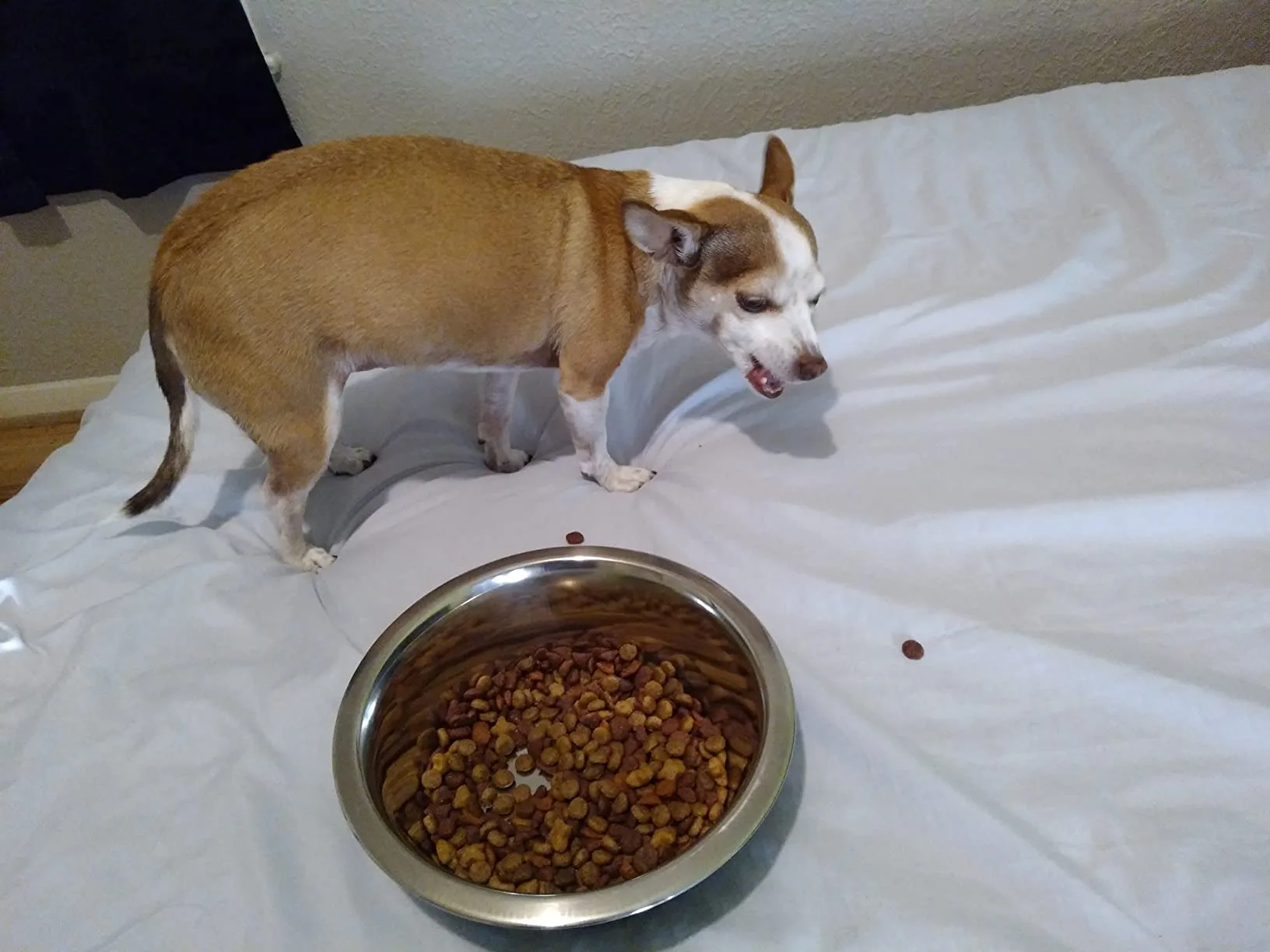
Charlie became picky! The small kibble size and the consistent, mild chicken-and-grains aroma worked for him. It’s not super smelly or greasy, which I think helps seniors with sensitive noses. The transition is key—go slow. If after a full, patient transition they’re still refusing, it might just not be their jam.
I asked my vet this. She said if your dog is at a healthy weight, has good energy, and no health issues, a quality adult maintenance food is fine until maybe 8 or 9. But if you notice any early signs of slowing down or changes in eating habits, switching to a senior formula like this one before problems arise is a smart, proactive move. “It’s about prevention, not just treatment,” she said.
This kept me up at night. I researched extensively. Hill’s, like every major pet food brand, has had voluntary recalls in the past (usually for potential vitamin imbalances, not contamination). What reassured me was their transparency and the fact that they own their manufacturing plants, giving them more control. No system is perfect, but their process seemed as rigorous as any. I check their website periodically for updates.
The Final Scoop: Would I Do It Again?
Looking at Charlie now, stretched out on his bed with a glossy coat, breathing steadily, I can say without hesitation: yes.
This wasn’t a dramatic, overnight transformation. It was a slow, steady journey back to a baseline of good health. The Hill’s Science Diet Adult 7+ didn’t turn back the clock, but it seems to have given my old friend a better-quality present.
It gave me back his reliable appetite. It gave him back a comfortable coat. Most importantly, it gave me the peace of mind that I was supporting his insides—his heart, his kidneys—in a way my old bargain-brand food simply wasn’t designed to do.
If you’re standing in that aisle, worried about your aging dog, my advice is this: talk to your vet. Bring up this food. If it’s right for your dog’s specific needs, it’s not just another bag of kibble. It’s a tangible way to pour your love and worry into their bowl, backed by science that actually seems to work. For Charlie and me, it’s been worth every single scoop.
Here’s to our gray-muzzled friends, and doing our best to make their golden years truly golden.
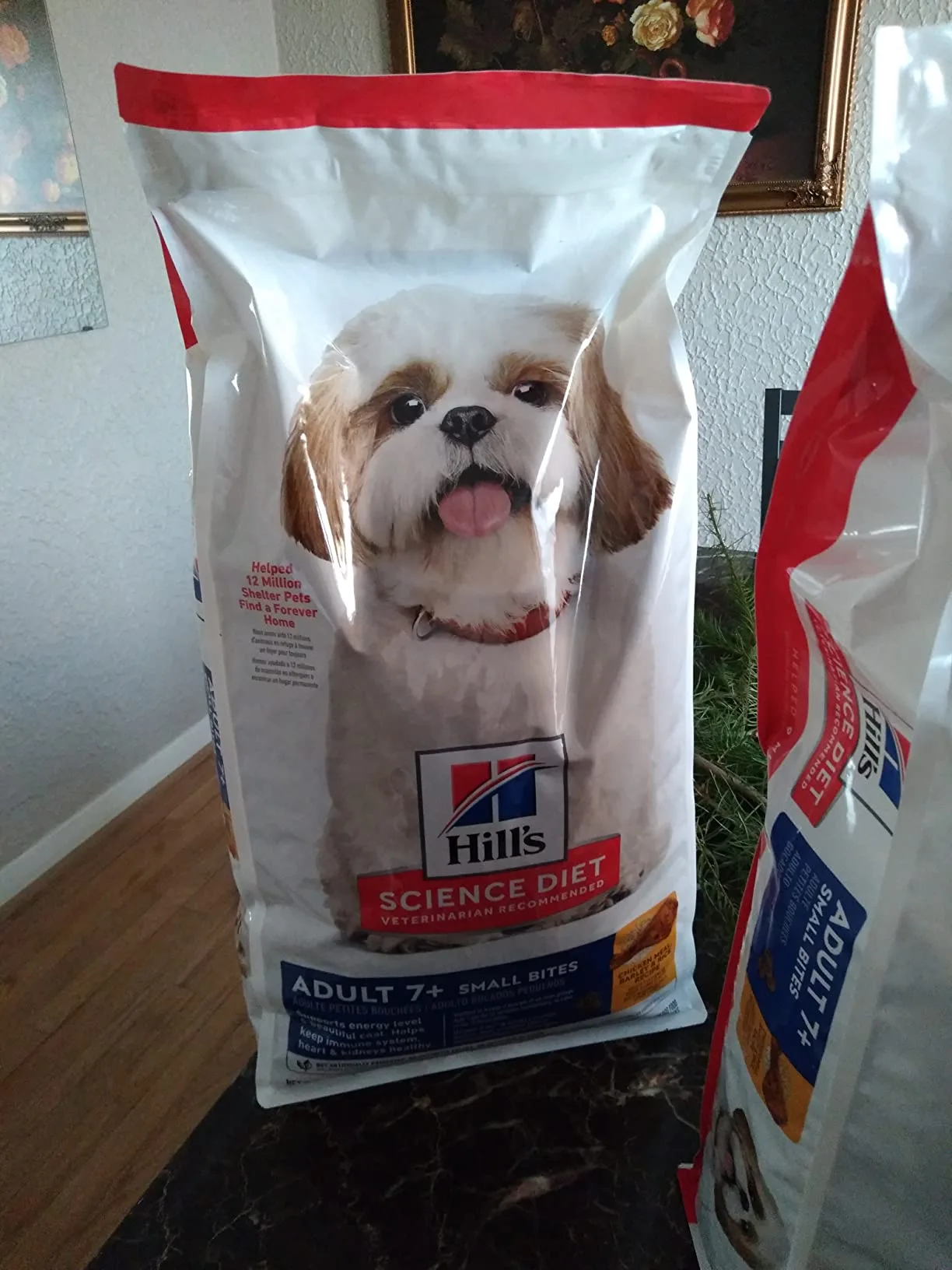
(I buy mine at the local pet store, but checking reviews here helped my decision)
Disclaimer: I am a passionate pet owner, not a veterinarian or animal nutritionist. Charlie’s experience is unique to him. This article is based solely on my personal observations over one year. Always consult your veterinarian before changing your pet’s diet, especially a senior pet with potential health issues. They can provide guidance tailored to your dog’s specific needs. The information in this article is for informational purposes only and does not constitute medical advice.
Authors